

As Ethereum trades at $2,046.14 amid a 5.50% dip over the past 24 hours, its Layer 2 solution Base stands out as a beacon for retail investors dipping into DeFi yield farming. With transaction fees often under a penny and speeds rivaling centralized apps, Base makes earning rewards on stablecoins like USDC approachable without the gas fee nightmares of mainnet Ethereum. For beginners using Coinbase Wallet, protocols like Aave V3 deliver reliable 5-7% APY through lending, all while prioritizing security features that isolate risks.
Yield Farming Demystified: Providing Liquidity for Rewards
Yield farming, or liquidity mining, lets you put your crypto to work by depositing it into DeFi protocols. In return, you earn rewards from interest, trading fees, or governance tokens. On Base, this process shines for retail users because it leverages Coinbase’s ecosystem for seamless USDC deposits via bank or card, skipping complex bridges.
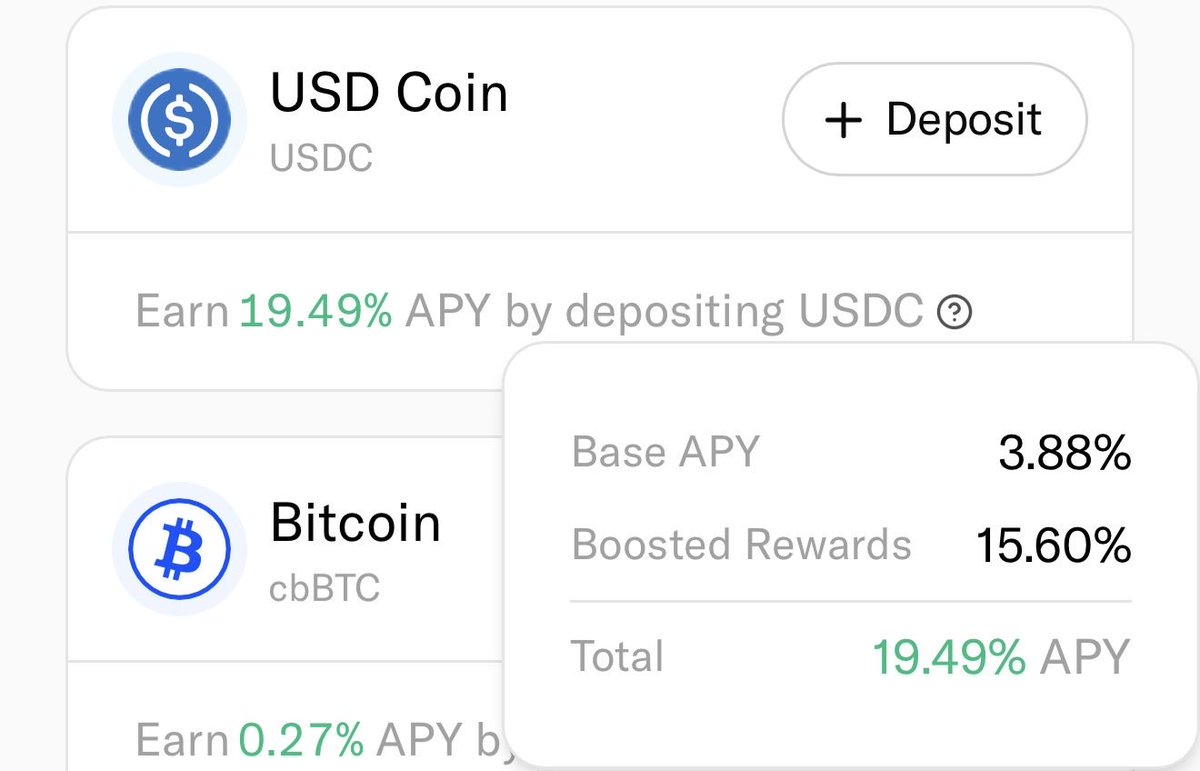
Take Aave V3 on Base: supply USDC to lending pools and watch variable rates hover around 5-7% APY. Unlike riskier liquidity pools on DEXes, lending isolates your funds; if one borrower defaults, risk isolation tech protects suppliers. This setup suits beginners chasing steady returns over speculative token farming.
Source: Coinbase explains yield farming as allocating assets to protocols for rewards, a practice now refined on efficient chains like Base.
Base Blockchain’s Edge for Retail-Friendly DeFi
Built by Coinbase as an optimistic rollup on Ethereum, Base processes transactions off-chain before settling securely on L1, slashing costs and boosting throughput. Current ETH at $2,046.14 underscores why L2s matter: mainnet fees spike during volatility, but Base keeps them negligible even as ETH fluctuates from $2,034.87 to $2,176.29 in 24 hours.
For yield farming newbies, this means testing strategies with minimal capital. Reputable protocols like Aave dominate, battle-tested across chains. Reddit threads highlight SuperFund miniapp in The Base App for 8-10% APY on USDC, but I advise starting conservative with audited lenders over unproven apps.


Security starts with verification: always check contract addresses via explorers like Basescan. Base’s integration with Coinbase Wallet adds session keys for gasless approvals, reducing slip-ups.
Step-by-Step Onboarding with Coinbase Wallet
Download Coinbase Wallet, the non-custodial smart wallet optimized for Base. Fund it directly with USDC from your Coinbase account or bank transfer, bridging instantly without third-party services. Connect to Aave’s Base deployment at app. aave. com, select supply USDC, and confirm.
- Install Coinbase Wallet and switch to Base network.
- Deposit USDC; expect near-zero fees.
- Visit Aave V3, approve and supply assets.
- Monitor yields in real-time; withdraw anytime.
This path mirrors traditional savings accounts but with DeFi’s transparency. For detailed setup, follow our step-by-step guide. Start small, say $100, to verify withdrawals before scaling.
Ethereum (ETH) Price Prediction 2027-2032
Forecast from 2026 baseline of $2,046.14, factoring in DeFi yield farming growth on Base, L2 adoption, and market cycles
| Year | Minimum Price | Average Price | Maximum Price | YoY % Change (Avg) |
|---|---|---|---|---|
| 2027 | $1,900 | $2,700 | $3,800 | +32% |
| 2028 | $2,800 | $4,200 | $6,500 | +56% |
| 2029 | $3,500 | $5,500 | $8,000 | +31% |
| 2030 | $5,000 | $7,500 | $11,000 | +36% |
| 2031 | $7,000 | $10,000 | $14,000 | +33% |
| 2032 | $9,500 | $13,500 | $19,000 | +35% |
Price Prediction Summary
Ethereum is forecasted to experience steady growth, fueled by retail DeFi yield farming on Base (e.g., Aave V3 with 5-7% APY on USDC), L2 scalability, and adoption trends. Average prices may rise from $2,700 in 2027 to $13,500 by 2032, with min/max reflecting bearish consolidation and bullish surges.
Key Factors Affecting Ethereum Price
- Expansion of safe, beginner-friendly DeFi protocols on Base like Aave V3 for yield farming
- Layer 2 networks reducing fees and boosting ETH transaction demand
- Ethereum upgrades (e.g., Dencun, future sharding) improving scalability
- Market cycles with 2028 Bitcoin halving spillover effects
- Regulatory developments favoring clearer DeFi rules
- Institutional inflows and competition from Solana/others
- Macro factors like interest rates and global adoption
Disclaimer: Cryptocurrency price predictions are speculative and based on current market analysis.
Actual prices may vary significantly due to market volatility, regulatory changes, and other factors.
Always do your own research before making investment decisions.
Analytically, Base’s TVL growth signals maturing infrastructure. While flash loan exploits grab headlines, Aave’s history shows prudence pays: focus on overcollateralized lending over impermanent loss in AMM pools. Retail investors thrive here by blending patience with tools like auto-compounders, turning 5% APY into compounded gains over months.
Opinion: Skip hype-driven farms; Base’s retail-friendly vibe favors protocols with institutional backing. As ETH holds $2,046.14, L2 yields offer insulation from L1 volatility, making this ideal for portfolio diversification.
Even with Base’s advantages, yield farming carries inherent risks like smart contract vulnerabilities or market shifts. That’s why I emphasize audited protocols with proven track records. Aave V3’s risk isolation, for instance, confines losses to specific positions, shielding your USDC supply from broader pool issues. Recent data pegs its APY at 5-7%, competitive yet conservative amid ETH’s dip to $2,046.14.
Top Safe Protocols: Aave V3 and Beyond on Base
Aave V3 leads for beginners, enabling USDC lending with withdrawal flexibility. Supply liquidity, earn interest from borrowers, and benefit from Base’s sub-cent fees. For slightly higher yields, explore SuperFund via The Base App, targeting 8-10% APY on USDC deposits, but verify audits first. Avoid unproven farms promising outsized returns; prudence trumps greed in DeFi.
Compound follows closely if deployed on Base, offering similar lending mechanics. These battle-tested options align with retail-friendly DeFi on Base blockchain, minimizing impermanent loss plaguing DEX pools like Uniswap. Analytical lens: With ETH between $2,034.87 and $2,176.29 recently, stablecoin yields provide ballast against volatility.
Earn 5-7% APY Safely: Yield Farm USDC on Aave V3 Base with Coinbase Wallet
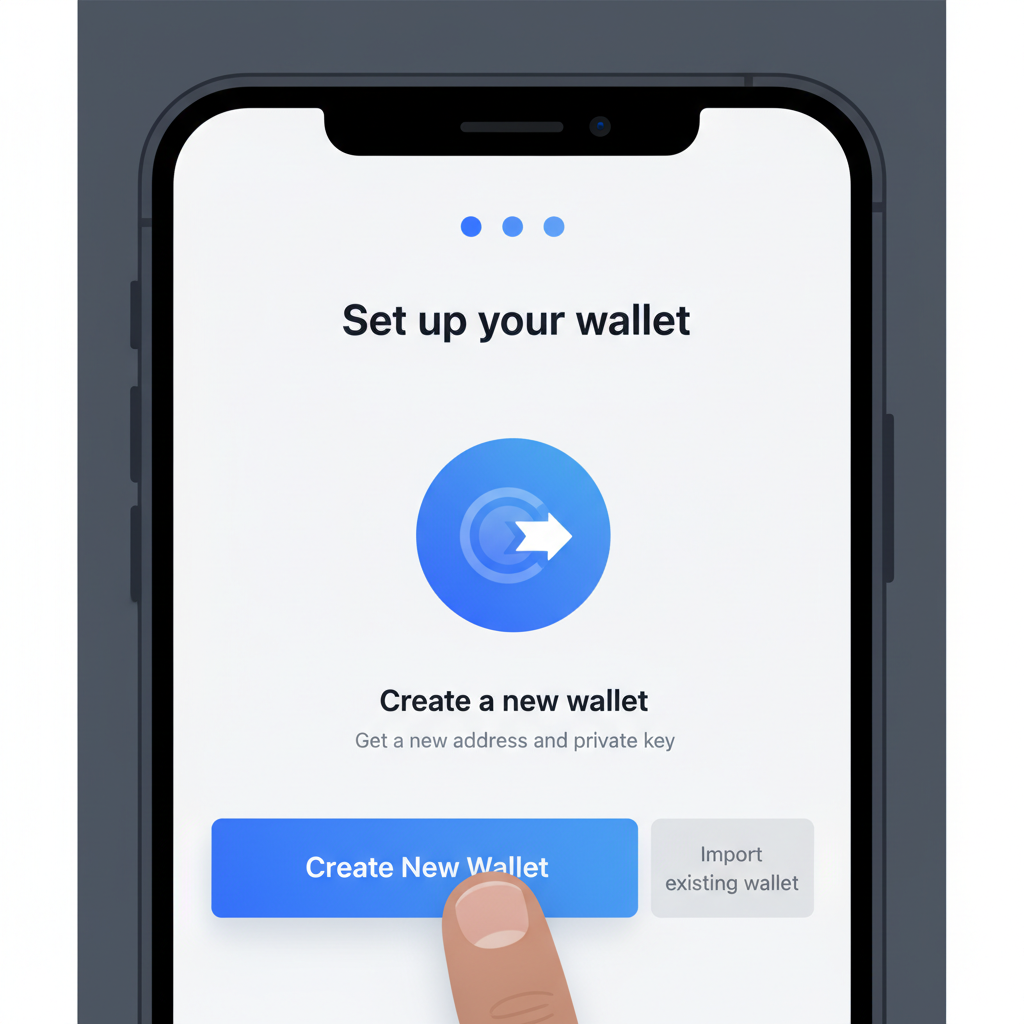
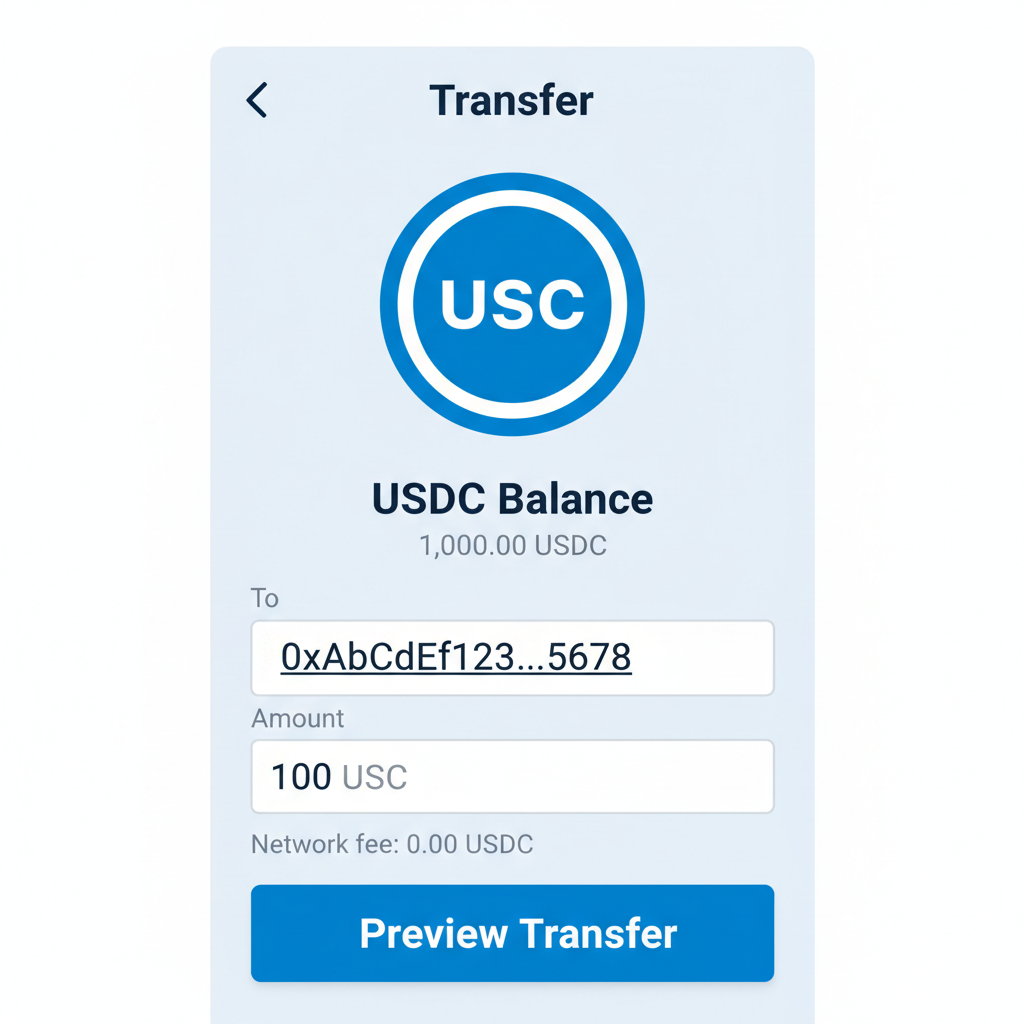
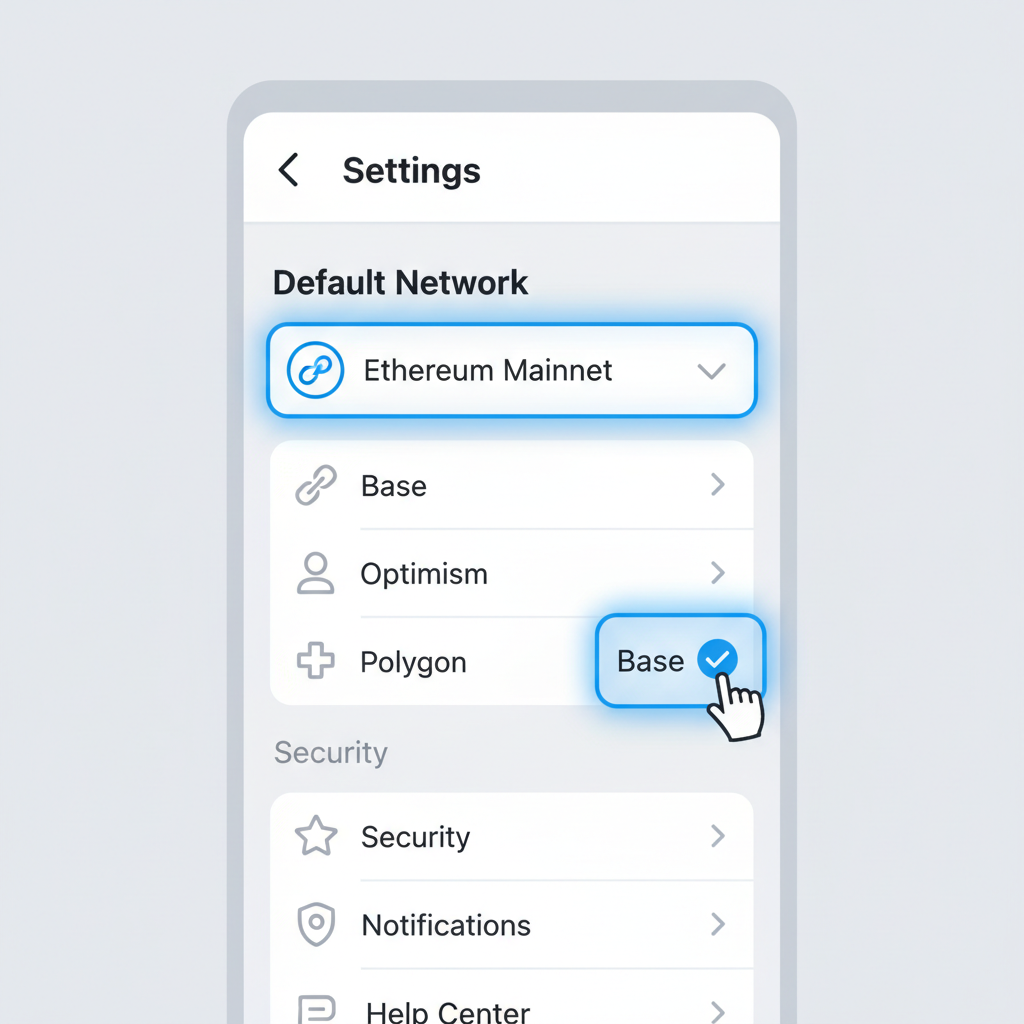
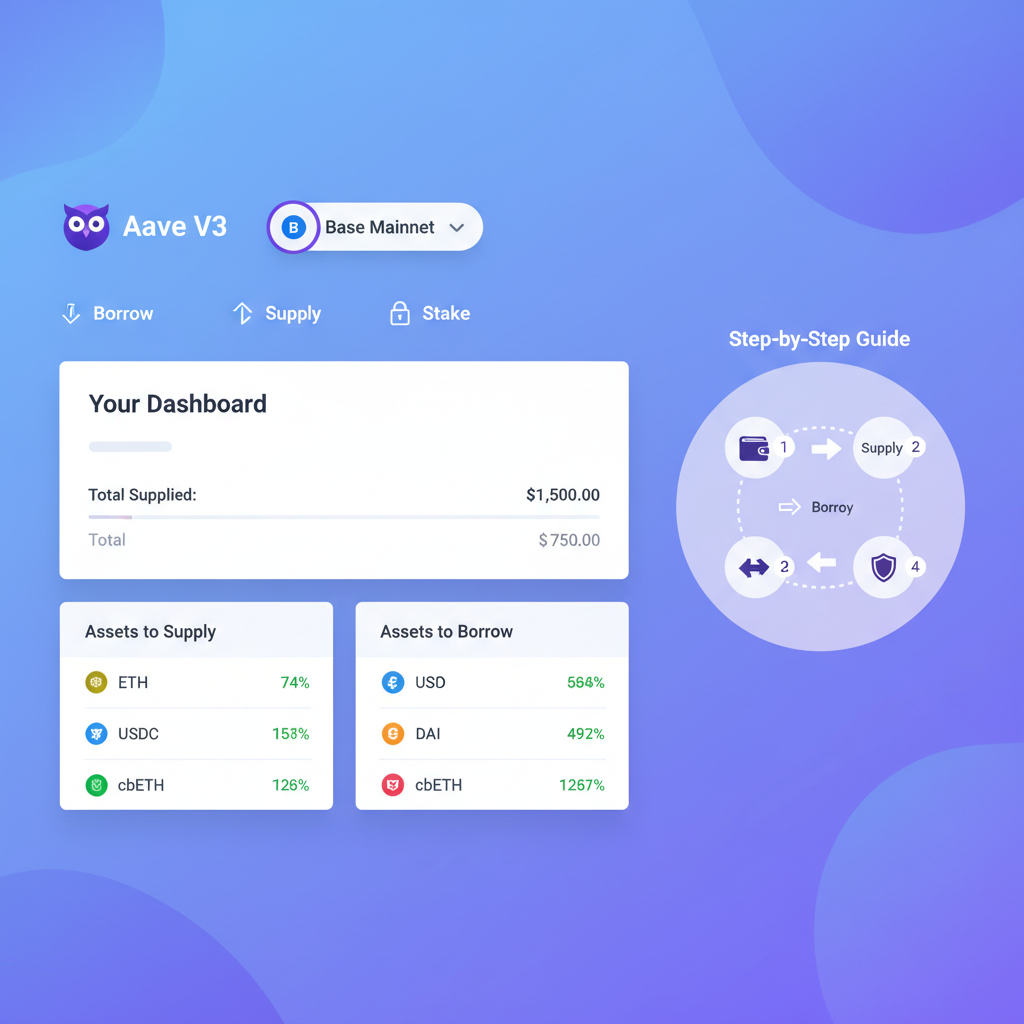
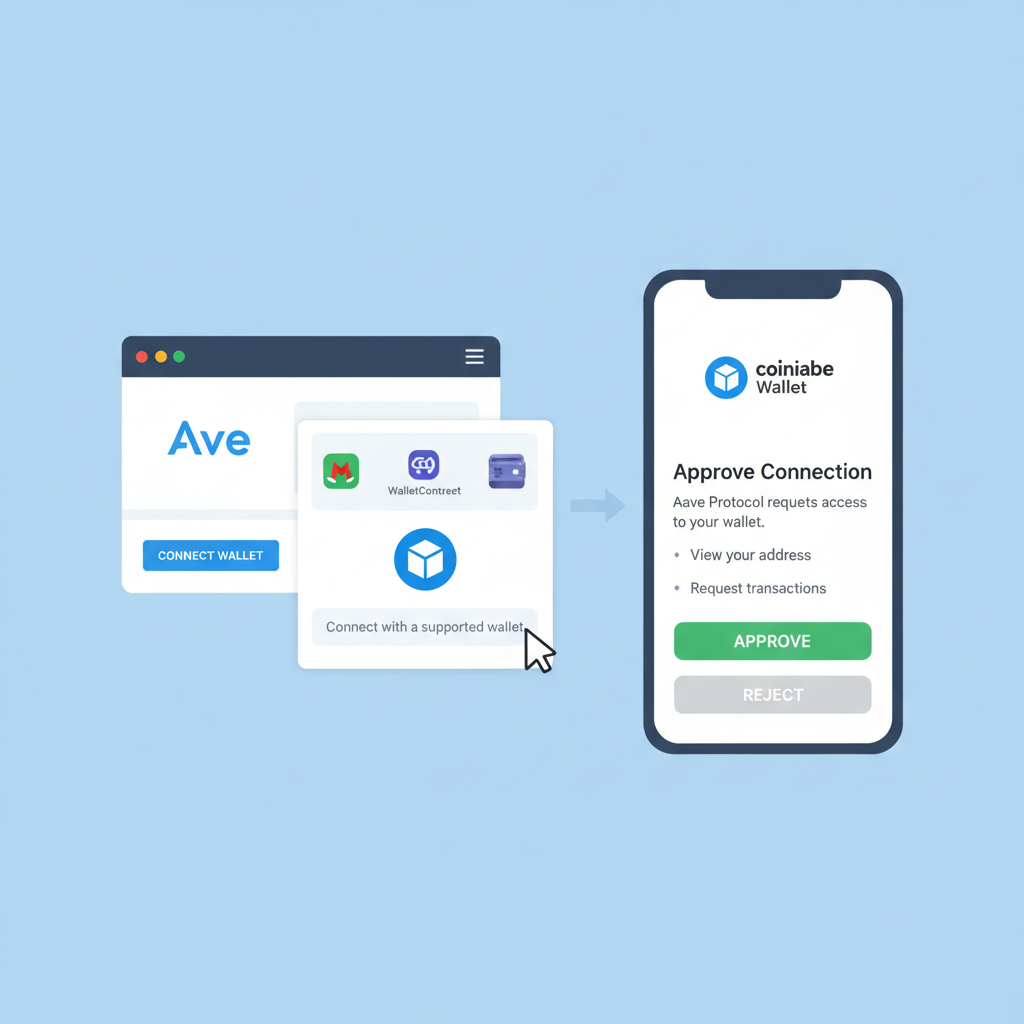
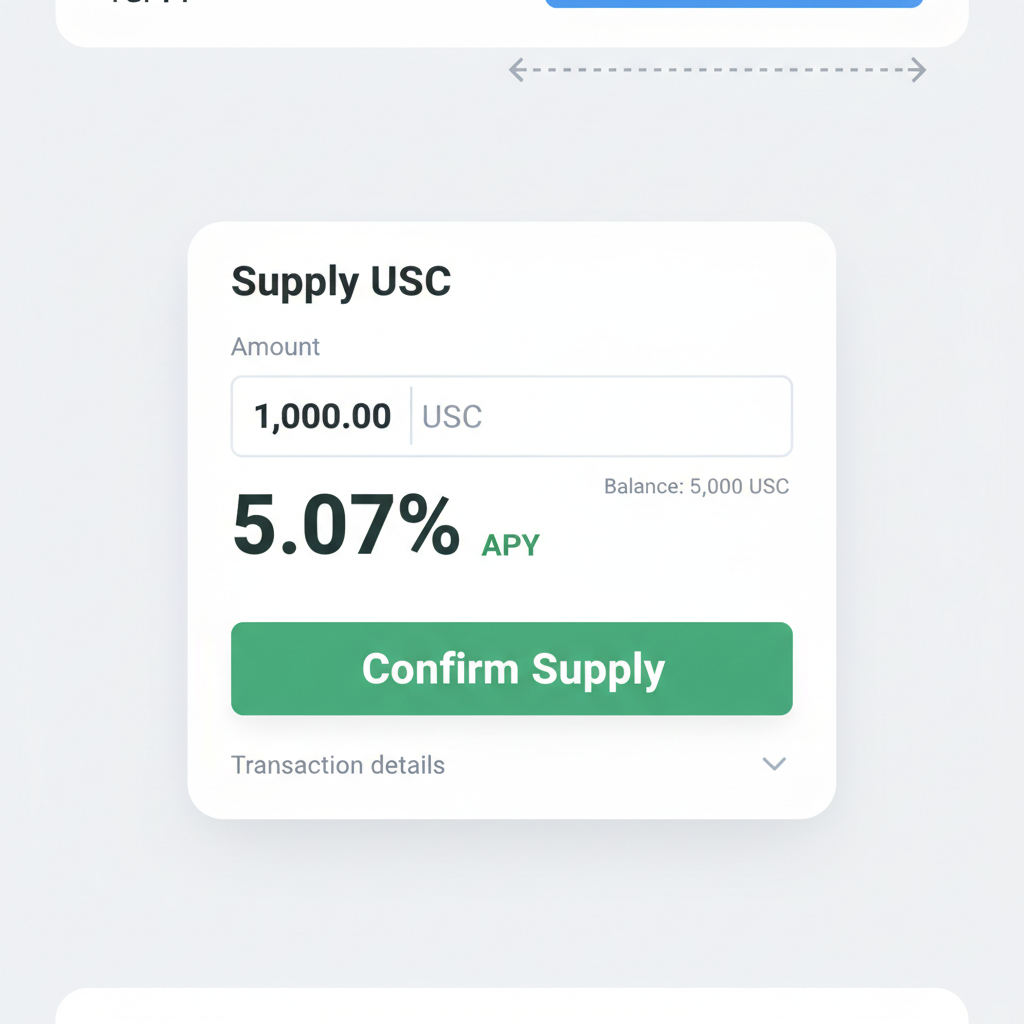
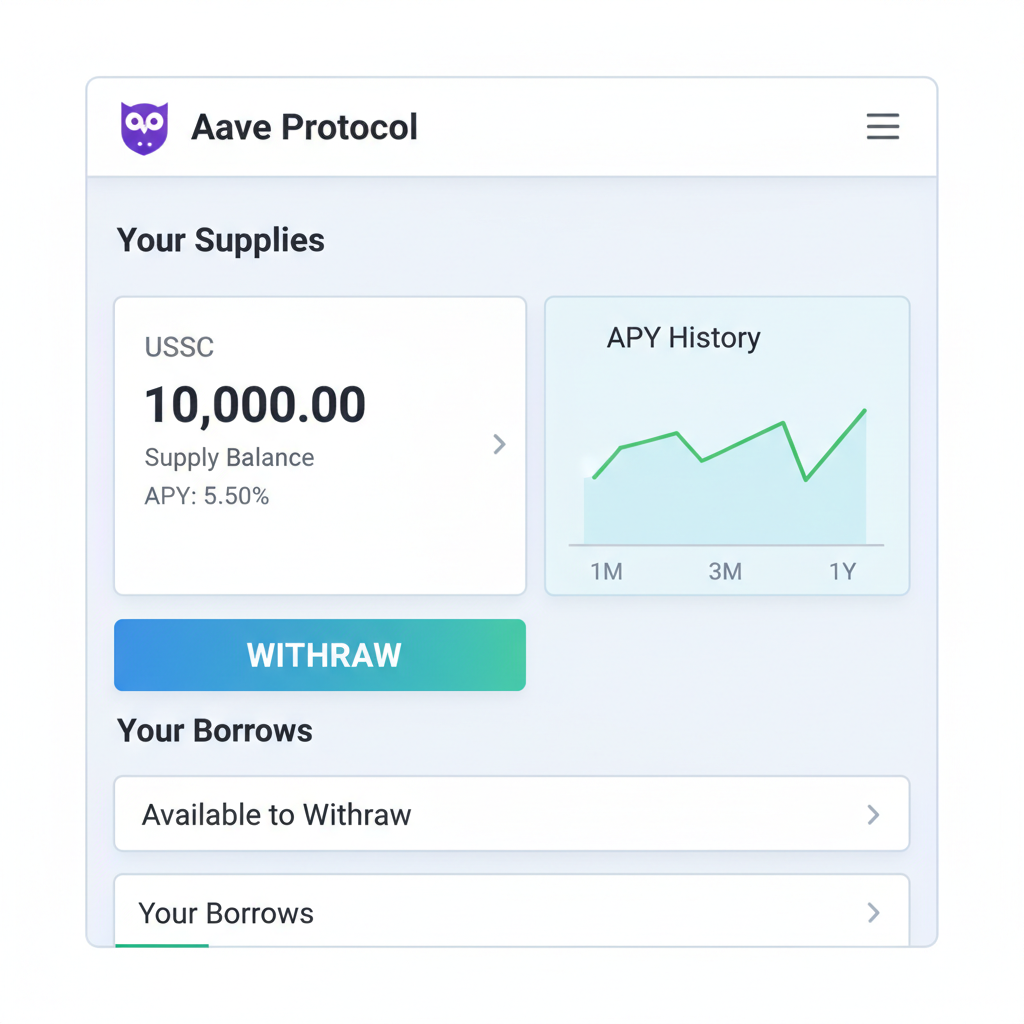
Connecting Coinbase Wallet streamlines this: its Base App integration allows direct USDC funding from banks, bypassing clunky bridges. Once supplied, monitor via dashboards; auto-compound features can nudge 5% APY toward 6% over time through reinvestment.
Risk Management Essentials for Retail Investors
Diversify across two protocols max, never exceed 10% of your portfolio in DeFi initially. Use hardware wallets for larger sums, enable 2FA, and revoke approvals periodically via tools like Revoke. cash. Base’s L2 security, settling on Ethereum, adds Ethereum-grade finality without mainnet costs.
- Verify contracts on Basescan. org before interacting.
- Start with $100-500 to test full cycles: deposit, earn, withdraw.
- Watch for rate changes; variable APYs fluctuate with demand.
- Avoid leverage; stick to plain lending for sleep-at-night yields.
This measured approach embodies my motto: build wealth with patience and prudence. For Coinbase Wallet setup nuances, check our onboarding guide.
Looking ahead, Base’s TVL surge positions it for sustained growth. As a CFA charterholder, I see parallels to traditional fixed-income: low-risk yields compound reliably, especially with ETH stabilizing near $2,046.14. Beginners gain most by focusing on user-friendly Base DeFi retail investors adore.
Yield farming on Base transforms passive USDC holdings into active earners without complexity. Protocols like Aave deliver retail-friendly DeFi yield farming for beginners, backed by Coinbase’s trust. Scale gradually, stay informed via reputable sources, and watch your assets grow steadily. Base isn’t just cheap; it’s a secure gateway to DeFi’s potential.
About the Author