
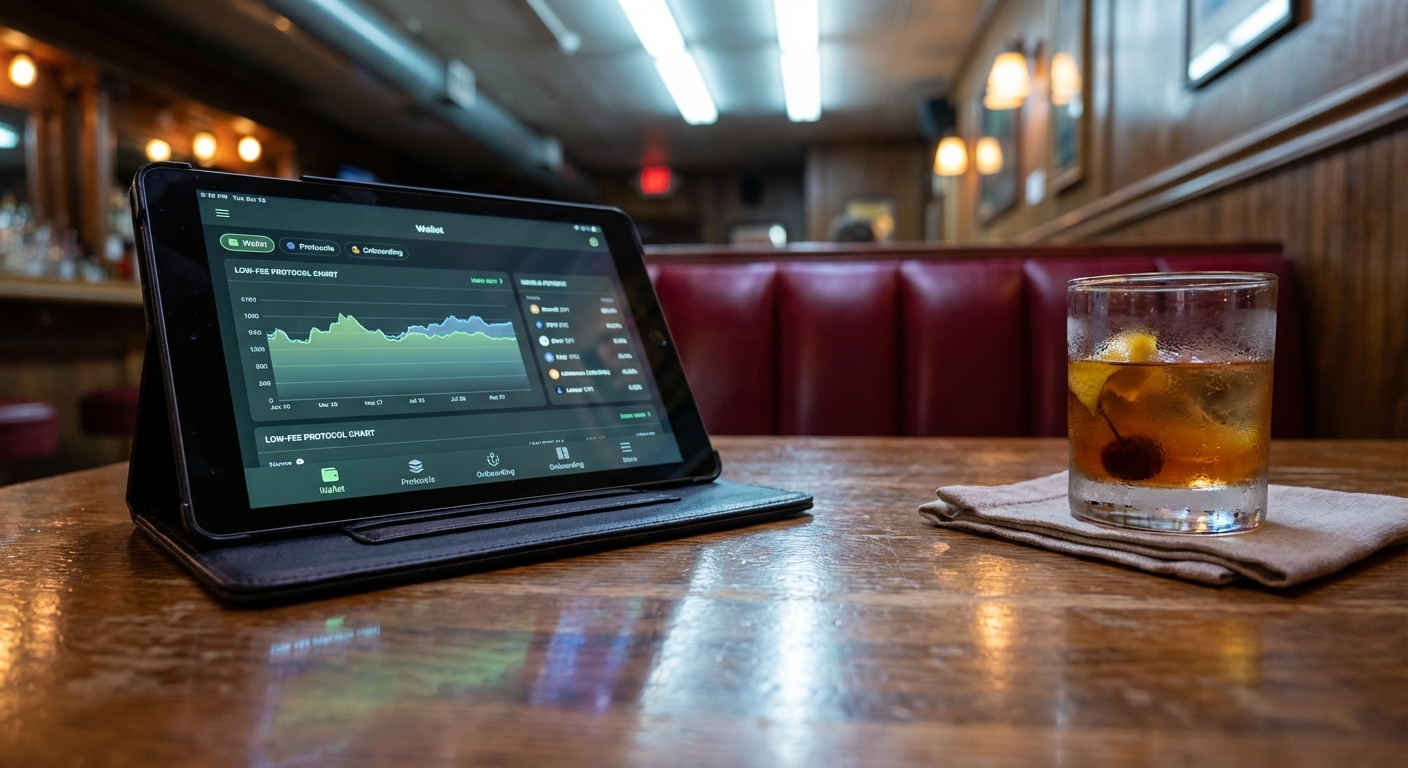
As decentralized finance matures in 2025, Base emerges as the premier choice for easy Base DeFi onboarding tailored to retail investors. Built by Coinbase on Ethereum's Layer 2, Base delivers lightning-fast transactions and fees often under a penny, shielding newcomers from the gas wars that plague mainnet Ethereum. With Ethereum trading at $2,846.27, up 1.20% in the last 24 hours, the timing feels right for retail entry into this ecosystem. Retail-Friendly DeFi simplifies participation, prioritizing security and simplicity over complexity.
Base's Edge in Retail-Friendly DeFi Protocols
Base isn't just another chain; it's engineered for everyday users seeking retail friendly Base protocols. Its optimistic rollup design batches transactions off-chain before settling on Ethereum, slashing costs while inheriting Ethereum's battle-tested security. In Q2 2025, data shows many smaller DeFi protocols struggling with runway, but Base's blue-chip integrations like those from Coinbase ensure longevity. Protocols here reward long-term holders through vesting and dynamic yields, aligning incentives without the rug-pull pitfalls common elsewhere.
For beginners, this means dipping into swaps, lending, or staking without draining your portfolio on fees. Platforms like Uniswap V4, now optimized for low-fee environments, see volumes exceeding $708 million, proving efficiency drives adoption. I advise starting small: protect capital first by verifying protocol audits and TVL metrics before committing funds.
Selecting Safe Wallets for Seamless Base Access
Your wallet choice defines your DeFi journey's safety net. Prioritize those with native Base support for base defi retail onboarding. MetaMask leads with its browser extension and mobile app, connecting effortlessly to Base via custom RPC settings. It integrates with Uniswap and Aave, letting you swap or lend in seconds.
- Trust Wallet: Mobile-centric, backs over 70 chains including Base, with built-in staking for passive yields.
- Ledger Nano X: Hardware fortress supporting 5,500 and assets; pair it with Ledger Live for DeFi dApps on Base.
- Phantom Wallet: Expanding beyond Solana, now handles Base ETH and tokens with instant swaps.
Avoid custodial options; self-custody empowers you. Always enable 2FA, use hardware for large holdings, and double-check contract addresses to sidestep phishing.
DeFi trends in 2025 show blue-chip protocols powering millions of users in swaps and lending, with Base leading low-fee accessibility.
Low-Fee Protocols Powering Retail Gains on Base
Why chase high-risk yields when low fee DeFi Base 2025 options abound? dYdX on its chain offers perpetuals with minimal slippage, while PancakeSwap V4's impending launch promises hook-based liquidity for even tighter spreads. Uniswap V4's custom pools boost efficiency, vital as UNI holds at $5.57, up 0.72%.
AAVE at $171.36 (up 2.67%) exemplifies lending stability on Base-compatible setups. These protocols minimize costs, letting retail investors compound returns. Yet, scrutinize runway: 60% of sub-$10M FDV projects falter within a year. Stick to established names, diversify, and monitor treasury health.
Ethereum (ETH) Price Prediction 2026-2031
Forecasts based on Base DeFi trends, retail onboarding, secure wallets, and low-fee protocols in 2025
| Year | Minimum Price | Average Price | Maximum Price | Est. YoY Growth (Avg %) |
|---|---|---|---|---|
| 2026 | $2,800 | $4,500 | $6,500 | +58% |
| 2027 | $3,500 | $5,500 | $8,500 | +22% |
| 2028 | $4,000 | $7,000 | $11,000 | +27% |
| 2029 | $5,000 | $9,000 | $14,000 | +29% |
| 2030 | $6,000 | $12,000 | $18,000 | +33% |
| 2031 | $7,500 | $15,000 | $22,000 | +25% |
Price Prediction Summary
Ethereum is set for progressive growth driven by DeFi expansion on Base L2, secure wallet adoption (e.g., MetaMask, Ledger), and low-fee protocols like Uniswap V4. Average prices could reach $15,000 by 2031 amid bullish market cycles, with min/max reflecting bearish corrections and adoption surges.
Key Factors Affecting Ethereum Price
- DeFi TVL growth and retail onboarding via Base ecosystem
- Scalability improvements from L2s reducing fees and boosting usage
- Institutional inflows and ETF approvals enhancing liquidity
- Regulatory clarity supporting compliant DeFi protocols
- Tech upgrades (e.g., hooks in Uniswap V4, dYdX chain) driving efficiency
- Market cycles influenced by BTC halving and macro trends
Disclaimer: Cryptocurrency price predictions are speculative and based on current market analysis. Actual prices may vary significantly due to market volatility, regulatory changes, and other factors. Always do your own research before making investment decisions.
Read our detailed guide on how retail investors can safely get started with DeFi on Base for hands-on steps. Next, we'll dive into bridging assets and risk strategies.
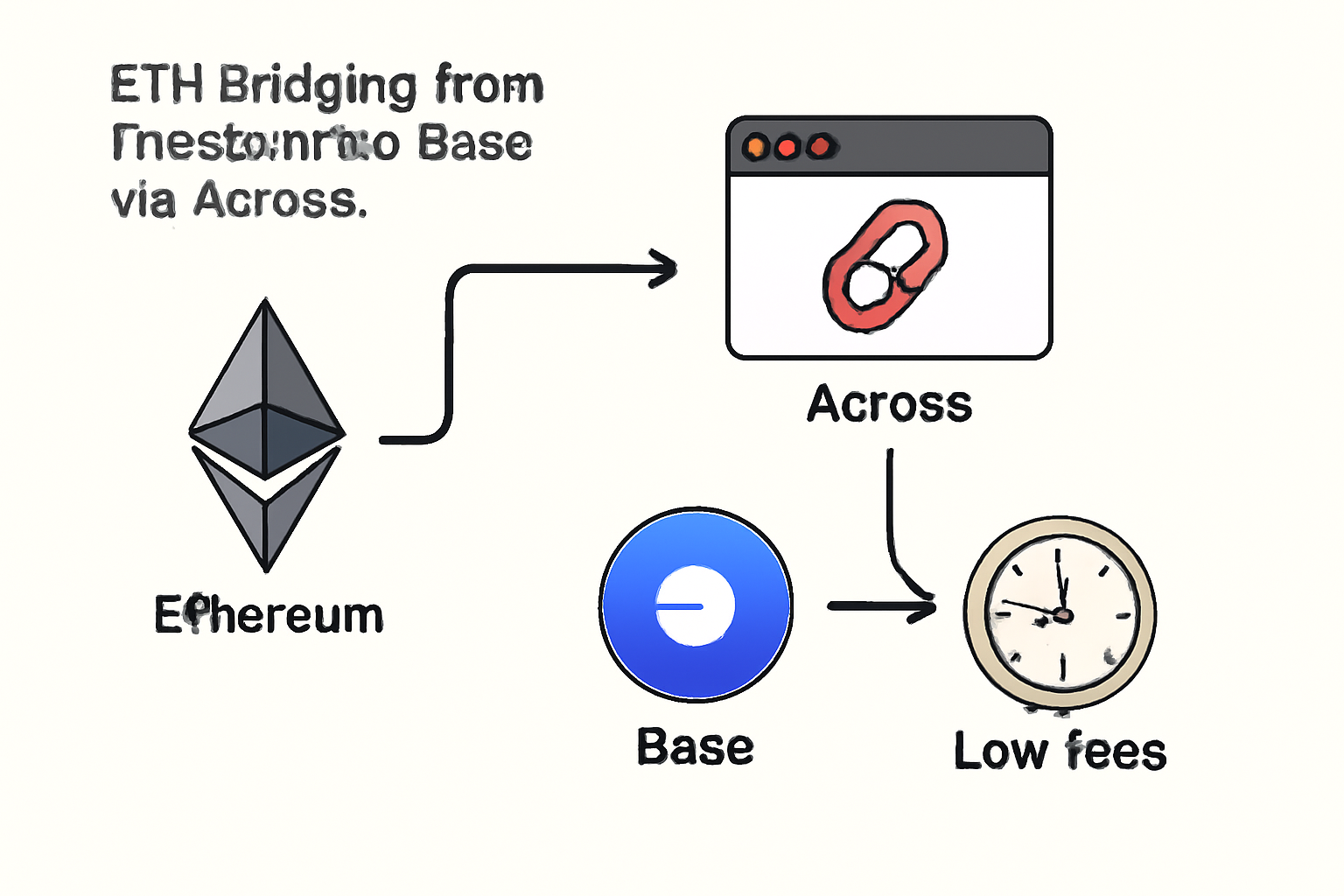
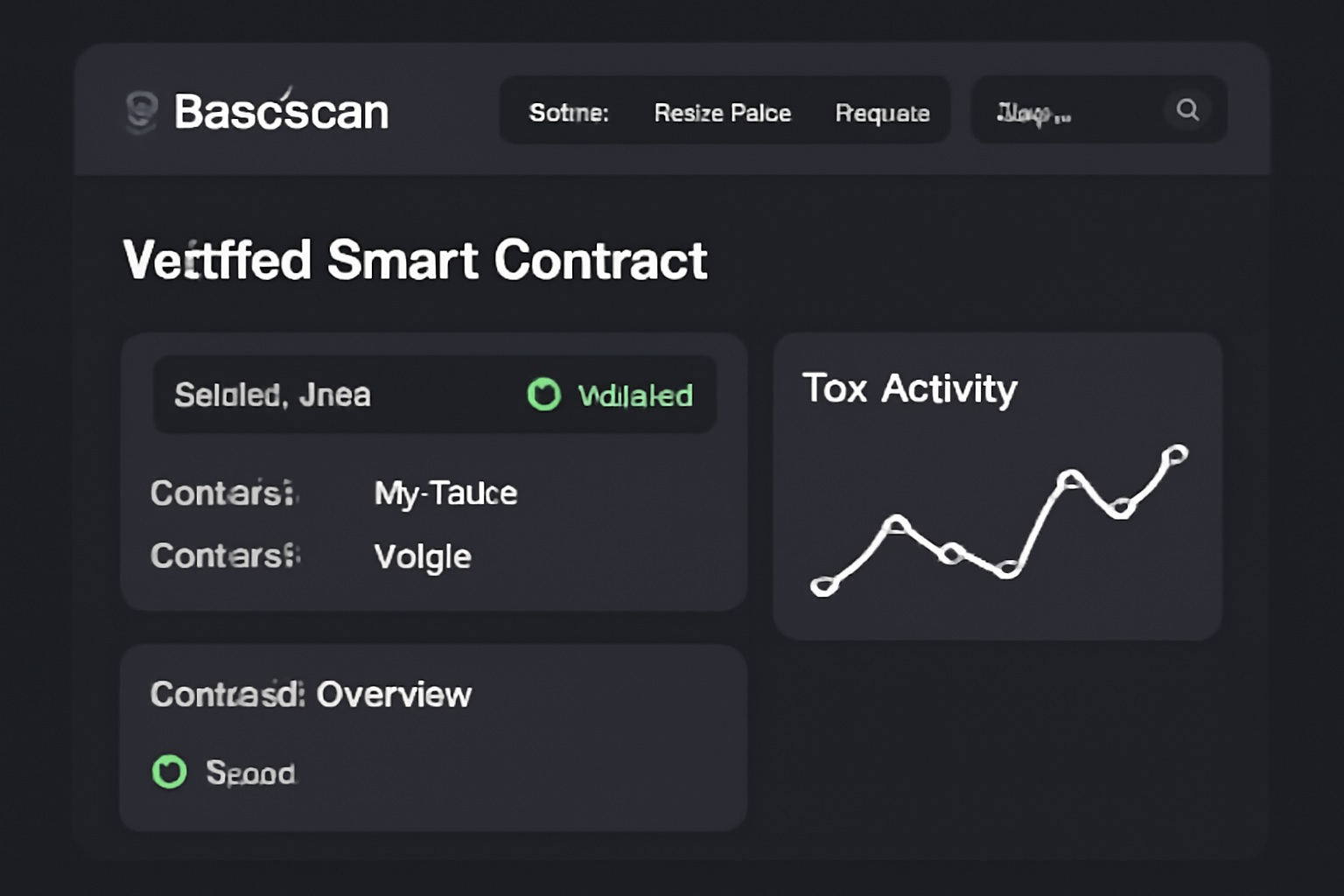
Bridging assets to Base marks the gateway to easy base defi for beginners, but mishandling it invites exploits. Use official bridges like the Base Bridge powered by Optimism's tech, which batches transfers efficiently at fractions of a cent. Start with small test amounts: send $10 in ETH first, confirm arrival via Basescan explorer, then scale up. Avoid unofficial bridges; they've drained millions in past hacks. With ETH steady at $2,846.27, timing your bridge during low network congestion preserves value.
Safe Base DeFi Onboarding: Secure Wallets to Low-Risk Yields in 2025
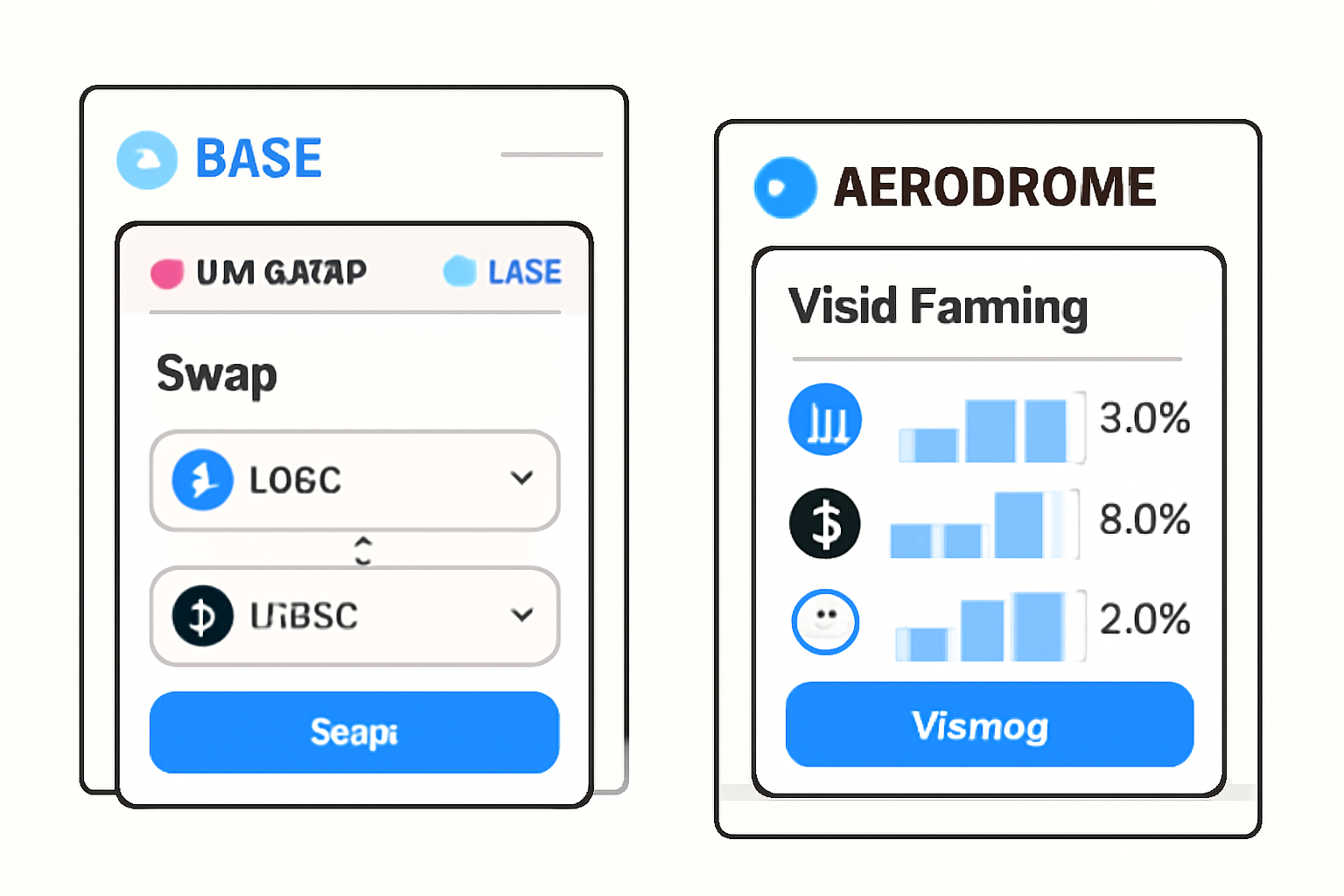
Once bridged, allocate thoughtfully. Deploy 20% to liquidity pools on Uniswap V4 for yields around 5-10% APY, adjusted dynamically to favor holders. Lend the rest on Aave, where AAVE at $171.36 signals protocol health. Monitor via DeFiLlama for TVL over $1 billion as a green flag.
Retail investors thrive by layering strategies: stake UNI at $5.57 for governance perks, or explore liquid staking on Base-native apps. Yet, COMP's dip to $34.44 reminds us volatility persists; hedge with stablecoin positions.
| Protocol | Key Feature | Base Fees (Avg) | TVL (2025 Est) |
|---|---|---|---|
| Uniswap V4 | Custom Hooks | and lt;$0.01 | $5B and |
| dYdX | Perpetuals | and lt;$0.05 | $2B |
| Aave | Lending | and lt;$0.02 | $10B |
This table highlights why retail friendly base protocols dominate: efficiency without sacrifice. I've seen traders compound 15% annually here, far outpacing traditional savings, by rotating yields weekly. But discipline matters; set stop-losses at 10% drawdown.
For deeper tactics, check our guide on how to use Base blockchain for secure retail DeFi transactions in 2025. Risk management elevates survivors: diversify across five protocols max, cap exposure at 5% per position, and audit treasuries quarterly. Houlihan Lokey's Q2 data flags short runways in small projects, so favor Base's vetted ecosystem.
Blue-chip Base protocols now handle millions in daily volume, blending Coinbase trust with DeFi innovation.
Hardware like Ledger pairs perfectly with Coinbase Base DeFi wallets for signless approvals, reducing phishing vectors. Simulate trades on testnets first; Base Sepolia offers free practice. As markets evolve, stay vigilant: vesting cliffs in newer tokens reward patience, per 2025 trends.
Empower your portfolio by bridging today, selecting audited paths, and scaling methodically. Base's low barriers unlock yields that compound quietly, turning retail caution into sustained gains. With protocols like these, opportunity meets protection seamlessly.
No comments yet. Be the first to share your thoughts!