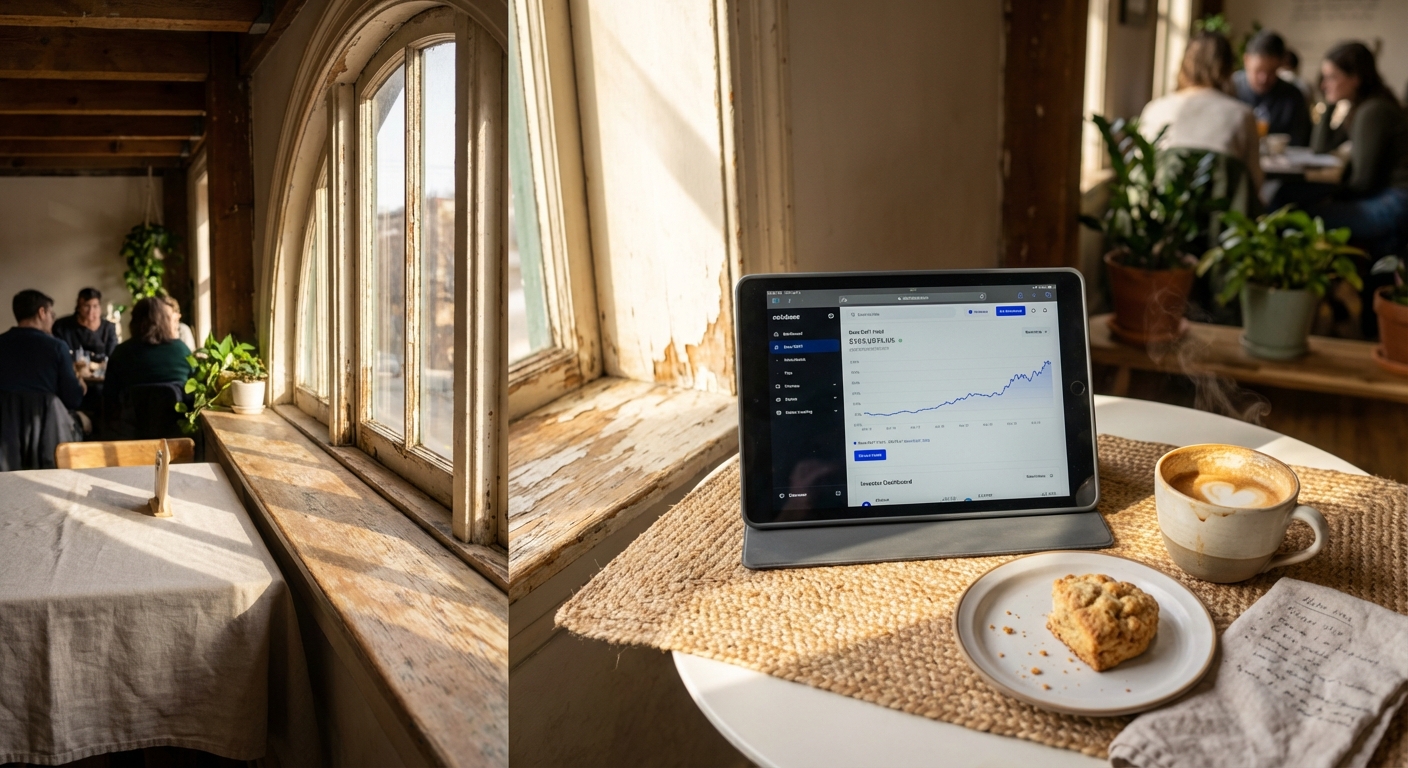
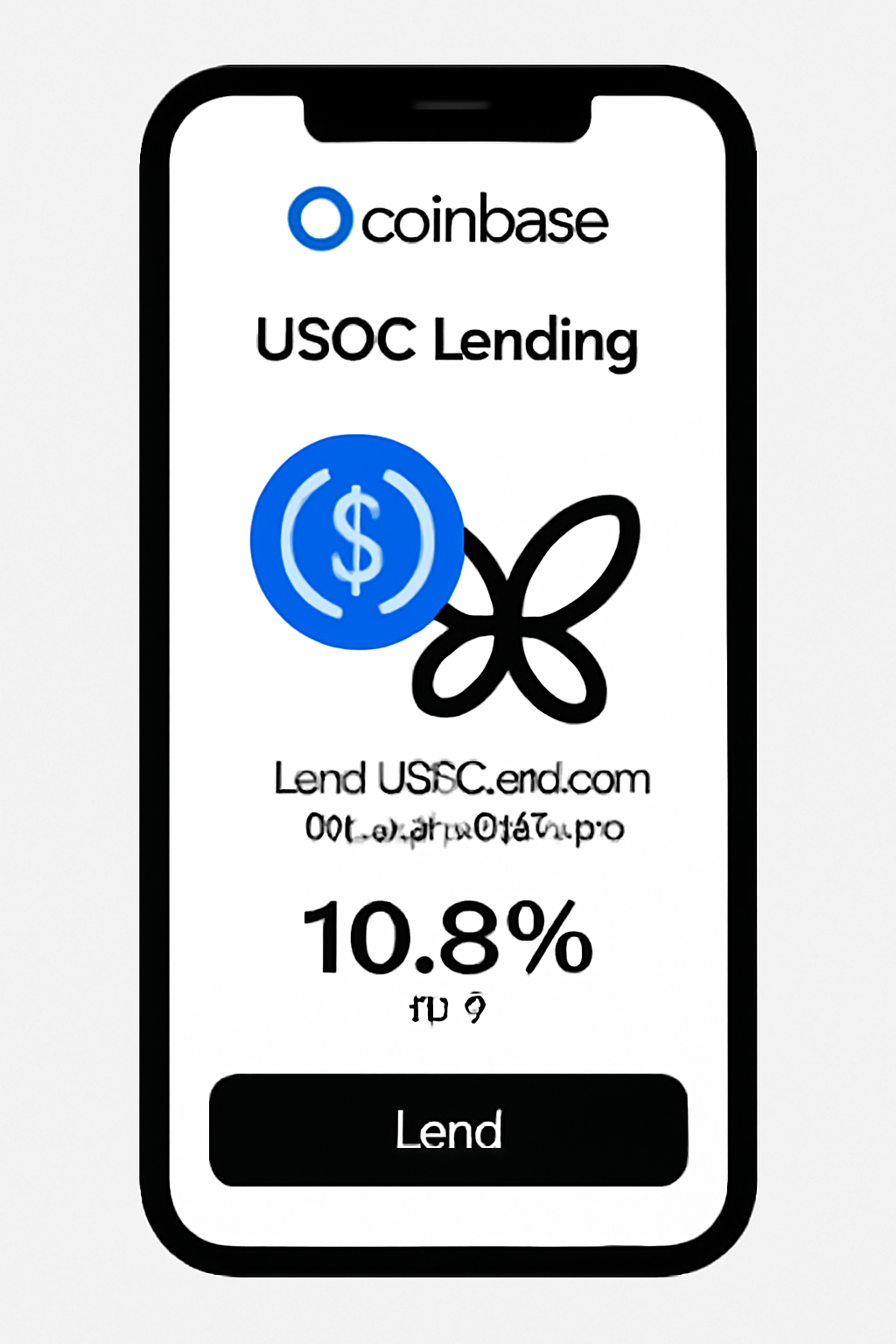
In the evolving landscape of decentralized finance on the Base blockchain, Coinbase's integration of USDC lending stands out as a pivotal step for retail investors seeking higher yields without venturing deep into complex protocols. Powered by Morpho and Steakhouse Financial, this feature allows everyday users to deposit USDC directly through the Coinbase app and earn up to 10.8% APY, a marked improvement over traditional savings rates. As a DeFi researcher with a focus on risk management, I view this as a balanced entry point: accessible onboarding meets institutional-grade vaults, all while leveraging Base's low fees and Coinbase's security umbrella.
This setup demystifies base defi lending coinbase for novices, bridging centralized ease with onchain efficiency. Unlike standalone DeFi platforms requiring wallet management, Coinbase handles smart contract wallets behind the scenes, minimizing exposure to common pitfalls like seed phrase mishandling.
Coinbase Morpho Integration: How It Powers Retail Yields
The backbone here is Morpho, an optimized lending protocol on Base that enhances efficiency over predecessors like Aave by allocating loans to the best rates via immutable smart contracts. Steakhouse Financial manages vaults that pool USDC deposits, directing them to high-demand borrowers in the crypto-backed loan market. Launched in September 2025, this rolled out to U. S. users (excluding New York), Bermuda, and select regions, enabling millions to tap into DeFi passively.
Consider the mechanics: your USDC fuels loans against collateral like Bitcoin, generating interest that flows back as yields. This isn't speculative trading; it's structured lending with real utility, as evidenced by Coinbase's crypto-backed loans allowing up to $100,000 USDC borrows. For retail defi base blockchain participants, the appeal lies in instant earning post-deposit, with withdrawals available anytime liquidity permits.
Yield Breakdown: Realistic Expectations for 2025
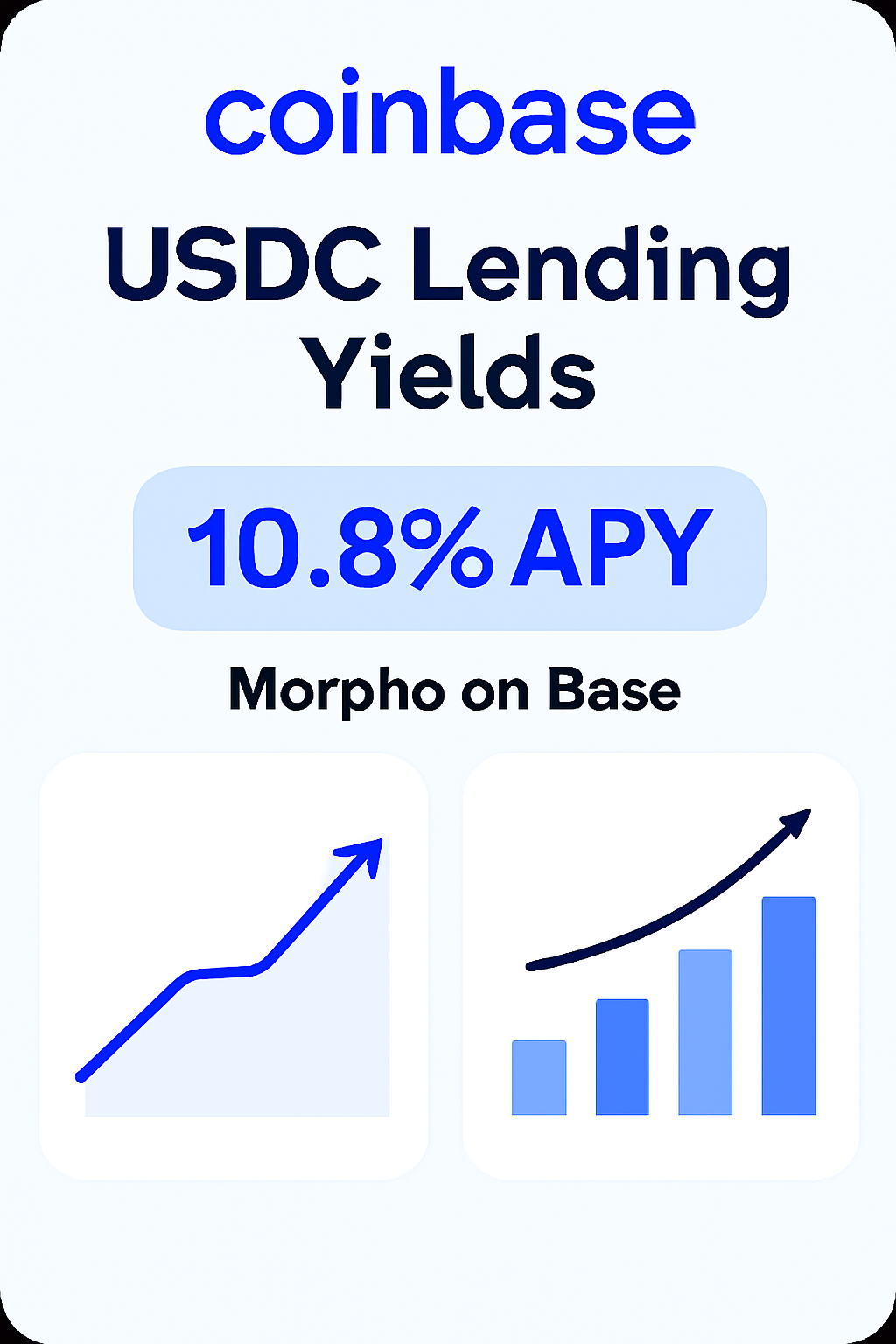
Advertised at up to 10.8% APY, these rates eclipse Coinbase's base USDC rewards of 4.1% or 4.5% for Coinbase One members. Yet, as a risk manager, I caution that variable APYs fluctuate with borrow demand; Reddit discussions note past displays like 5.73% felt misleading due to compounding nuances. Always verify in-app rates, which reflect real-time market dynamics.
| Option | APY | Accessibility | Risk Level |
|---|---|---|---|
| Coinbase Standard USDC Rewards | 4.1% | App-only, no setup | Low |
| Coinbase One USDC Rewards | 4.5% | Subscription required | Low |
| DeFi Lending via Morpho on Base | Up to 10.8% | Smart wallet deposit | Moderate (liquidity/smart contracts) |
This earn yields base defi retail opportunity shines for those holding idle USDC, but pair it with diversification. Base's scalability keeps gas fees negligible, often under $0.01, making frequent monitoring viable.
Safe Onboarding: Step-by-Step Setup Guide
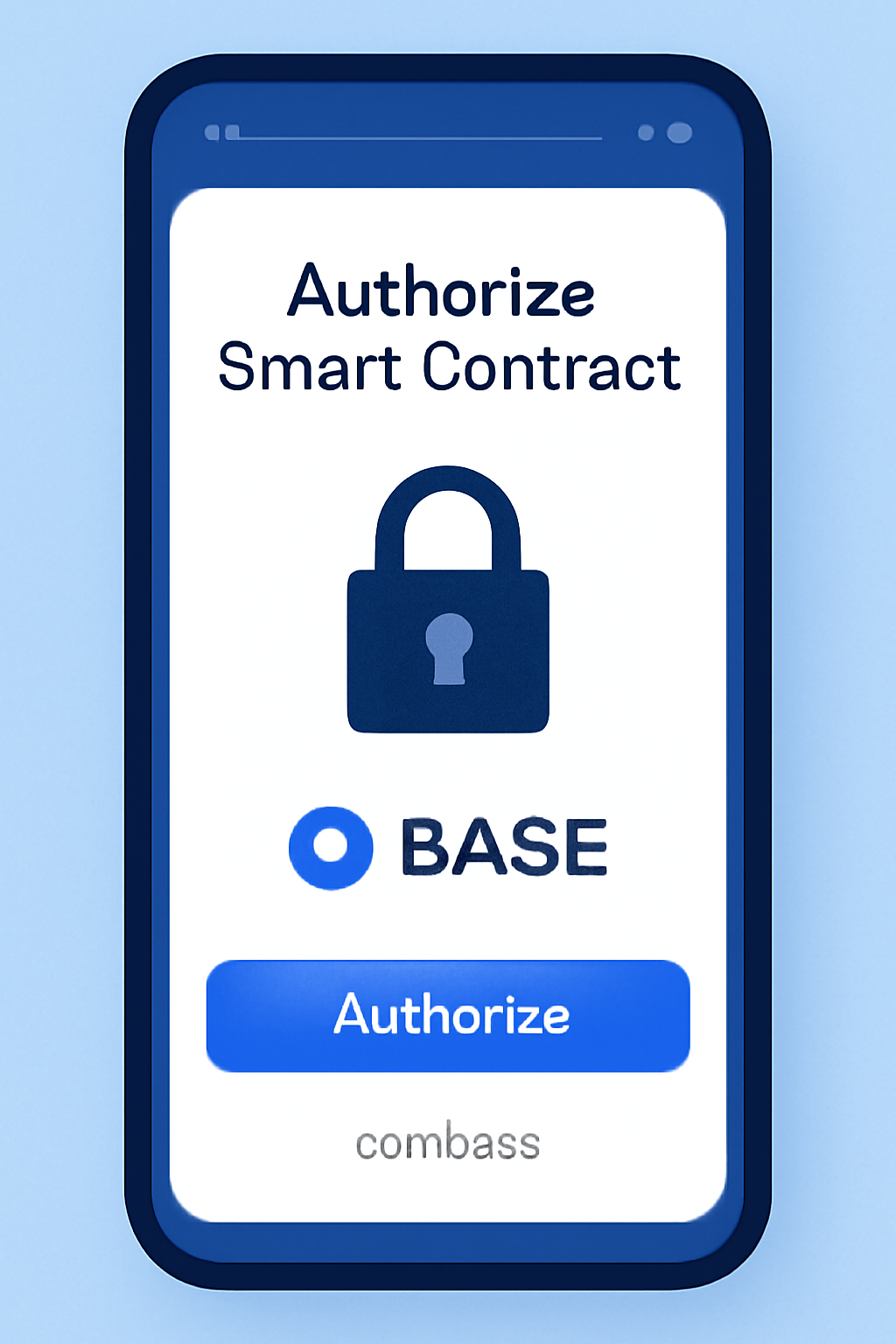
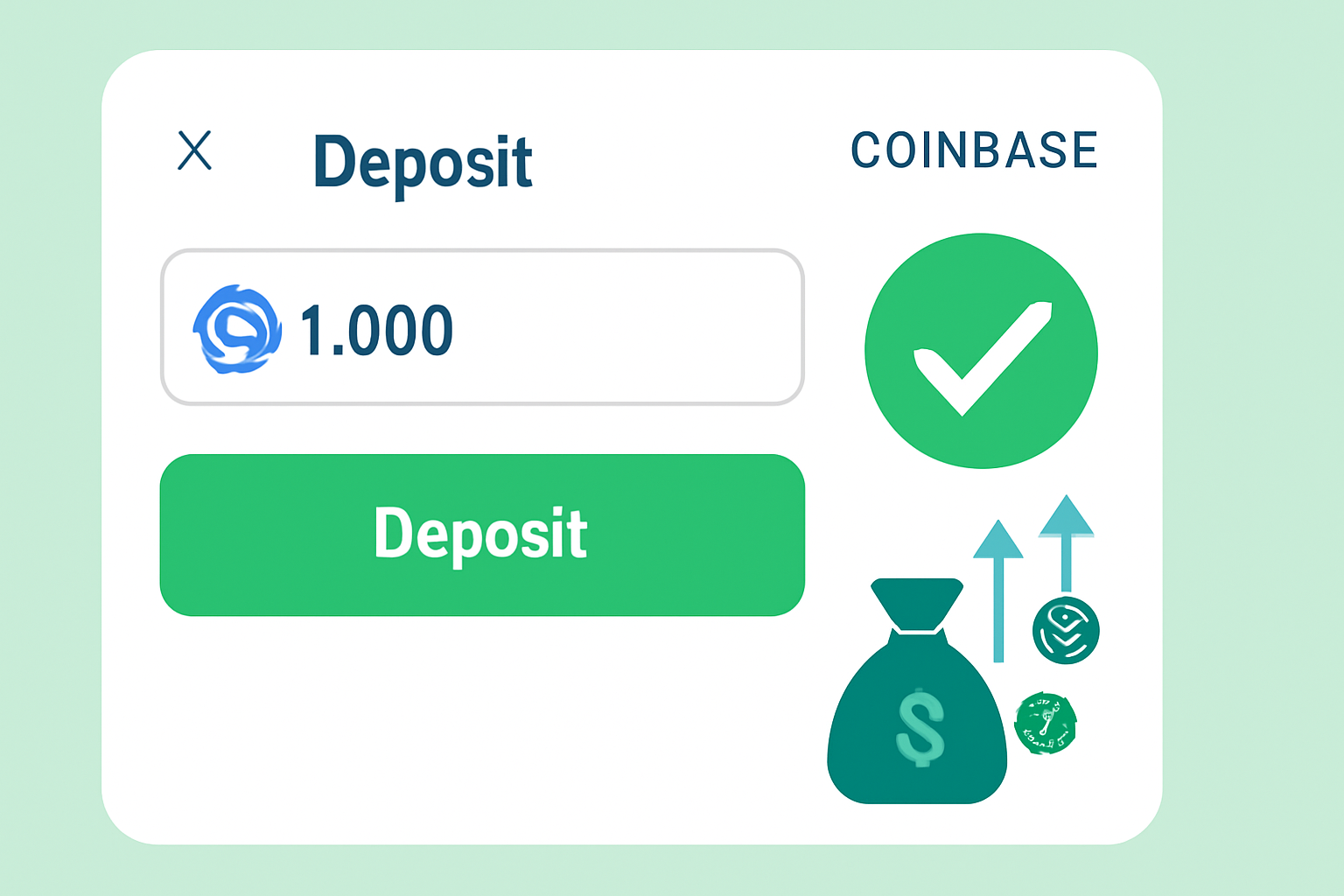
Embarking on coinbase morpho base lending requires deliberation, not haste. Start in the Coinbase app: locate the USDC lending section under earn or assets. Authorize a smart contract wallet creation - a one-time process Coinbase streamlines with biometric security. Deposit your USDC; it deploys to Morpho vaults instantly, accruing interest.
Monitor via the app dashboard, where yields update live. For withdrawals, request anytime, though peak demand may introduce brief delays - a liquidity risk inherent to lending markets. Check this guide for deeper passive income strategies on Base.
Before diving in, assess your risk tolerance: smart contracts, while audited, carry exploit potential, albeit mitigated by Morpho's track record and Coinbase's oversight. Regulatory alignment matters too; confirm eligibility in your jurisdiction to avoid compliance snags.
Regulatory alignment matters too; confirm eligibility in your jurisdiction to avoid compliance snags. This safe defi onboarding base 2025 approach prioritizes capital preservation, aligning with my principle of protecting assets before chasing returns.
Mitigating Key Risks in Base DeFi Lending
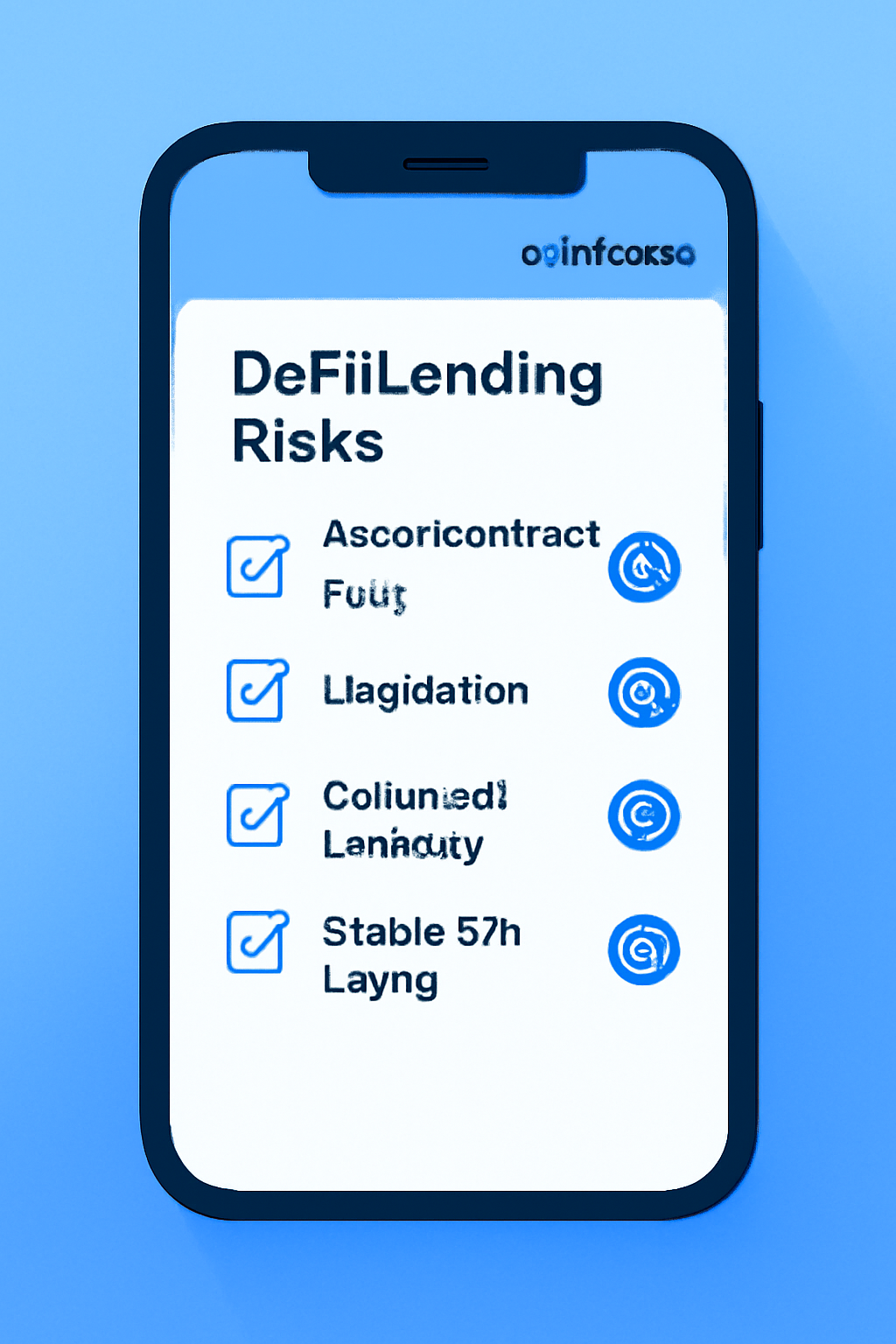
While the Coinbase-Morpho setup lowers barriers, vigilance remains essential. Smart contract vulnerabilities top the list: Morpho has undergone multiple audits, yet no protocol is immune. Historical DeFi exploits remind us to limit exposure - start with small deposits, say 10-20% of your USDC holdings, to test liquidity and yields firsthand. Liquidity risk follows closely; high borrow demand from crypto-backed loans can queue withdrawals, though Base's efficiency typically resolves these within hours.
Counterparty risk is minimized via overcollateralized loans, where borrowers post assets like Bitcoin exceeding loan value. Steakhouse Financial's vaults add a layer of optimization, dynamically allocating to highest-yield pools. As yields hover around 10.8% APY, compare against inflation or bank CDs, which lag at 4-5%, but factor in crypto's volatility. Diversify across Coinbase's standard rewards and this DeFi option for balanced exposure.
Safely Deposit USDC into Coinbase Morpho Lending on Base: Secure Yields Guide
Opinionated take: this integration excels for retail users comfortable with Coinbase's interface but wary of raw DeFi. It transforms passive USDC into a yield engine without demanding constant attention, yet demands periodic reviews of APY and collateral health.
Performance Edge: Yields vs Traditional Options
Stacking earn yields base defi retail against benchmarks reveals its edge. Coinbase's DeFi lending outpaces its own CeFi rewards and rivals like Aave on other chains, where fees erode net gains. Base's sub-cent transactions amplify this for frequent adjusters. In 2025's market, with borrow demand from institutional players, expect sustained rates above 7%, barring black swan events.
6-Month Cryptocurrency Price Performance: USDC Stability for Lending
Comparing USDC (main lending asset) against stablecoins, majors, and DeFi protocols amid volatility as of 2025-11-30
| Asset | Current Price | 6 Months Ago | Price Change |
|---|---|---|---|
| USD Coin | $1.00 | $1.00 | +0.0% |
| Tether | $1.00 | $1.00 | +0.0% |
| Dai | $0.9995 | $1.00 | -0.1% |
| Bitcoin | $90,949.00 | $81,742.00 | +11.3% |
| Ethereum | $3,005.37 | $1,885.00 | +59.5% |
| Aave | $185.52 | $123.00 | +50.9% |
| Compound | $34.44 | $45.00 | -23.5% |
| Maker | $1,268.66 | $1,000.00 | +26.9% |
Analysis Summary
USDC demonstrates perfect price stability (+0.0%) over the past 6 months, making it an excellent choice for safe DeFi lending yields on Coinbase Base (10.8% APY) compared to volatile assets like Ethereum (+59.5%) and Bitcoin (+11.3%). Stablecoins like Tether match this stability, while DeFi tokens show varied performance: Aave and Maker gained significantly, but Compound declined.
Key Insights
- USDC and Tether unchanged at $1.00 (+0.0%), ideal for risk-free yield generation in lending.
- Ethereum leads with +59.5% appreciation, highlighting crypto market strength.
- DeFi protocols mixed: Aave +50.9%, Maker +26.9%, Compound -23.5%.
- Bitcoin solid +11.3% growth; Dai minor -0.1% deviation.
- Stablecoins' peg maintenance supports higher-yield lending options like Coinbase Base vs. standard 4.1% or bank CDs ~4.5%.
Prices and 6-month changes sourced exclusively from provided real-time data (OKX for USDC as of 2025-11-30; GSR.io for others). Period approximates 2025-06-03 to 2025-11-30; changes formatted exactly as given.
Data Sources:
- Main Asset: https://www.okx.com/en-us/price-history/usd-coin-usdc
- Bitcoin: https://www.gsr.io/wp-content/uploads/2025/03/Mar-18-2025.pdf
- Ethereum: https://www.gsr.io/wp-content/uploads/2025/03/Mar-18-2025.pdf
- Tether: https://www.gsr.io/wp-content/uploads/2025/03/Mar-18-2025.pdf
- Dai: https://www.gsr.io/wp-content/uploads/2025/03/Mar-18-2025.pdf
- Aave: https://www.gsr.io/wp-content/uploads/2025/03/Mar-18-2025.pdf
- Compound: https://www.gsr.io/wp-content/uploads/2025/03/Mar-18-2025.pdf
- Maker: https://www.gsr.io/wp-content/uploads/2025/03/Mar-18-2025.pdf
Disclaimer: Cryptocurrency prices are highly volatile and subject to market fluctuations. The data presented is for informational purposes only and should not be considered as investment advice. Always do your own research before making investment decisions.
Real-world nuance: Reddit threads highlight how displayed rates like 5.73% can understate compounded returns, so track weekly accruals. For retail defi base blockchain enthusiasts, this positions Base as a low-friction hub, especially with Coinbase's expanding toolkit.
Enhance safety by enabling app notifications for yield shifts and linking to external monitors like DefiLlama for Morpho vault transparency. Avoid over-leveraging; treat this as enhanced savings, not a trading vehicle. Check this Base DeFi onboarding guide for broader protocols.

2025 Outlook: Scaling Coinbase Morpho Base Lending
Looking ahead, Coinbase's DeFi push signals maturation. Expect vault expansions to include more assets, potentially ETH or stablecoin pairs, boosting liquidity and stabilizing yields. Regulatory clarity in the U. S. could widen access beyond current exclusions, drawing conservative capital. As Base TVL climbs, retail inflows will pressure rates downward mildly, but demand from Coinbase's loan products should counterbalance.
For risk-averse investors, allocate strategically: 40% standard rewards, 30% DeFi lending, 30% diversified Base yields. Monitor Morpho's Bitcoin-backed innovations, now scaling to millions, which underpin lending demand. This ecosystem fosters resilience; low Base fees enable nimble pivots amid volatility.
Ultimately, Coinbase's USDC lending via Morpho equips retail investors with a secure yield avenue on Base, blending familiarity with DeFi potency. Approach with measured steps, informed by real-time data, and it becomes a cornerstone of prudent portfolio growth. Verify in-app details and scale gradually to align with your thresholds.



No comments yet. Be the first to share your thoughts!