

Bitcoin's current price of $90,823.00 underscores a pivotal moment for retail investors seeking yield without liquidation. Coinbase's cbBTC, a 1: 1 wrapped Bitcoin token on Base, bridges traditional holdings to DeFi protocols, enabling precise yield generation amid volatility. This ERC-20 asset, custodied by Coinbase, unlocks liquidity pools, lending, and farming on Base's scalable layer-2 network.
cbBTC Mechanics: Seamless Bitcoin Integration on Base
cbBTC represents Bitcoin custodied by Coinbase, converting automatically at a 1: 1 ratio when users transfer BTC from Coinbase wallets to Base addresses. This frictionless mechanism preserves Bitcoin exposure while granting access to DeFi. Retail investors deposit BTC via Coinbase's interface, select Base as the destination, and receive cbBTC ready for deployment. Redemption reverses the process, converting back to native BTC upon withdrawal to Coinbase.
From a risk standpoint, this custodial model demands scrutiny. Coinbase's institutional-grade custody mitigates direct self-custody risks, yet introduces centralized counterparty exposure. Quantitative analysis reveals cbBTC's circulating supply exceeding 46,000 tokens, commanding 25.1% of the wrapped Bitcoin market, a metric signaling robust adoption on Base. For retail users, this translates to disciplined entry into DeFi without forgoing Bitcoin's macroeconomic upside.
Base's low fees and Coinbase ecosystem synergy amplify efficiency. Transactions settle rapidly, contrasting Ethereum's congestion, positioning cbBTC as a methodical choice for yield optimization. Read more on retail yield strategies with cbBTC.
Quantifying Yield Opportunities: Protocols Driving Returns
Retail investors deploy cbBTC across Base protocols with differentiated risk-return profiles. Umoja Protocol stands out for conservative strategies, offering a steady 6% annual yield via covered calls and arbitrage. This approach suits discipline-focused portfolios, minimizing impermanent loss while capturing options premiums.
Aerodrome, Base's premier DEX, elevates potential through liquidity provision. The cbBTC-WETH pool yields 348% APY, while cbBTC-USDC reaches 743%: figures derived from recent fee accruals and incentives. These rates demand vigilance; high APYs correlate with elevated volatility and incentive decay. Uniswap complements with tiered pools: 4.4% APY in 0.05% fee cbBTC-WETH versus 29% in 0.3% tiers, allowing precise risk calibration.
Bitcoin (BTC) Price Prediction 2026-2031
Forecasts for retail investors leveraging cbBTC DeFi yields on Base (Umoja 6%, Aerodrome 300-700% APY), based on 2025 baseline of $90,823 amid market cycles and adoption
| Year | Minimum Price | Average Price | Maximum Price | YoY % Change (Avg from Prior) |
|---|---|---|---|---|
| 2026 | $75,000 | $140,000 | $220,000 | +54% (from 2025 $90,823) |
| 2027 | $85,000 | $165,000 | $260,000 | +18% |
| 2028 | $110,000 | $225,000 | $360,000 | +36% |
| 2029 | $160,000 | $330,000 | $540,000 | +47% |
| 2030 | $210,000 | $430,000 | $740,000 | +30% |
| 2031 | $270,000 | $560,000 | $950,000 | +30% |
Price Prediction Summary
Bitcoin's price is forecasted to grow progressively from an average of $140K in 2026 to $560K by 2031, driven by DeFi yield enhancements via cbBTC on Base, halving cycles, and institutional adoption. Min/Max reflect bearish corrections and bullish peaks, with realistic cycles post-2025 highs.
Key Factors Affecting Bitcoin Price
- cbBTC DeFi yields on Base (6-743% APY via Umoja/Aerodrome/Uniswap) boosting retail holding
- 2028 Bitcoin halving catalyzing next bull cycle
- Regulatory clarity and ETF inflows increasing institutional demand
- Technological upgrades and layer-2 scaling enhancing utility
- Macro factors: inflation hedge amid global adoption
- Competition from altcoins balanced by BTC dominance trends
Disclaimer: Cryptocurrency price predictions are speculative and based on current market analysis. Actual prices may vary significantly due to market volatility, regulatory changes, and other factors. Always do your own research before making investment decisions.
Dissecting these, Aerodrome's ve-token model locks liquidity for governance, amplifying rewards for long-term holders. Yet, my analysis flags impermanent loss as the primary drag, historical data shows 10-20% erosion in volatile pairs. Retail users must model positions quantitatively, factoring BTC's $90,823 anchor and 24-hour range from $90,270 to $92,909.
Market Traction and Risk Calibration for 2025
cbBTC's ascent reflects Base DeFi's maturation. Supply growth to over 46,000 tokens captures 25.1% market share, fueled by integrations across lending and DEXes. This momentum aligns with Bitcoin's stability at $90,823, down marginally 0.006530% intraday, yet poised for institutional inflows.
For retail entrants, calibration is paramount. Smart contract audits vary, Umoja's conservative yield sidesteps unproven mechanics, unlike Aerodrome's incentive-heavy pools. Volatility planning remains core: at current levels, a 5% BTC drawdown impacts cbBTC pools asymmetrically. Explore Coinbase DeFi lending on Base for passive strategies. Diversification across protocols mitigates protocol-specific risks, ensuring disciplined profit accrual.
Quantitative modeling reinforces this: a balanced allocation - 40% Umoja for stability, 30% Aerodrome cbBTC-USDC for income, 30% Uniswap low-fee tiers - yields a blended 150-250% APY at current incentives, adjusted for 15% impermanent loss buffer. Bitcoin's $90,823 perch, with a tight 24-hour band from $90,270 to $92,909, supports such precision without excessive drawdown exposure.
Master cbBTC Yield Farming on Base: Precise Step-by-Step Guide

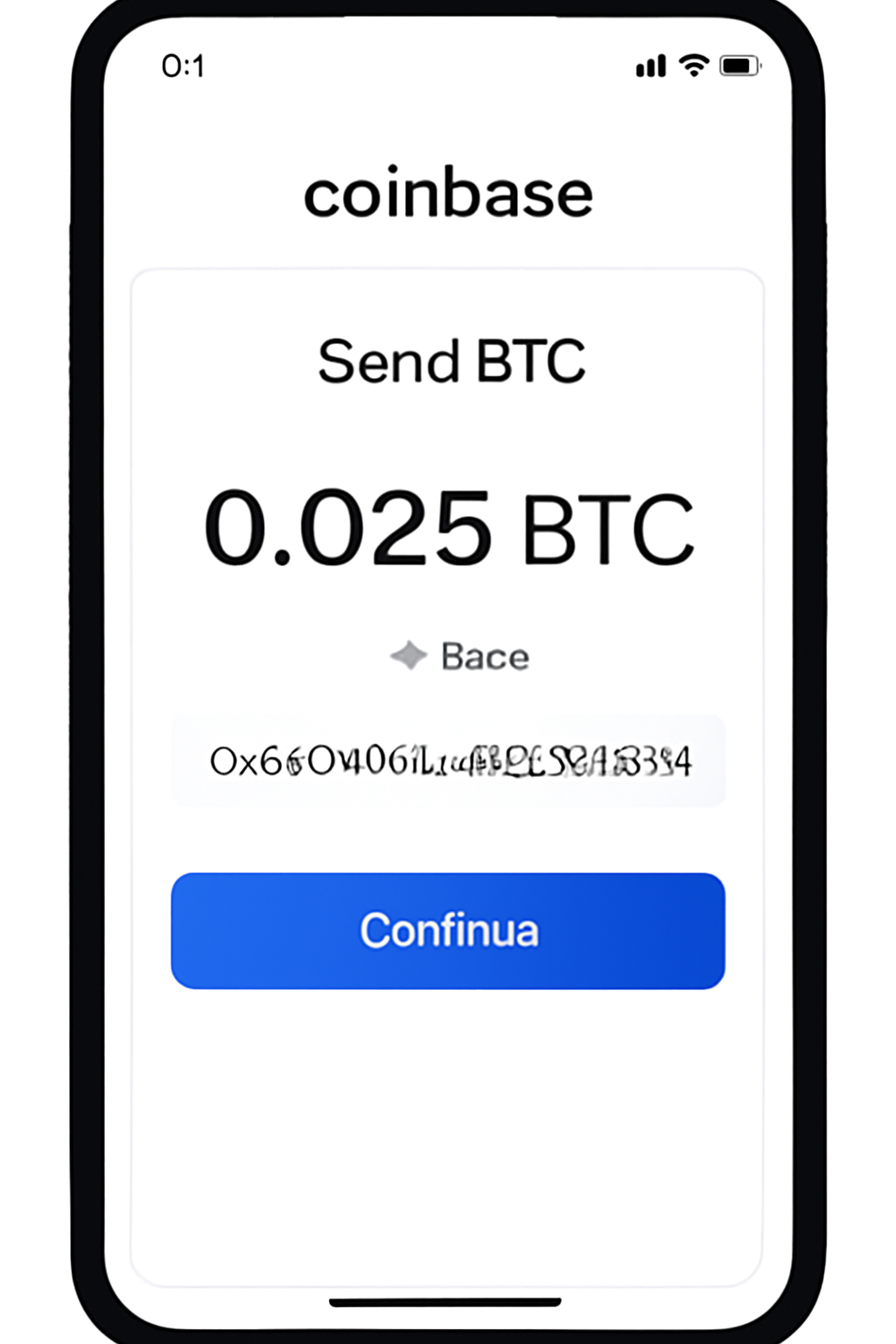
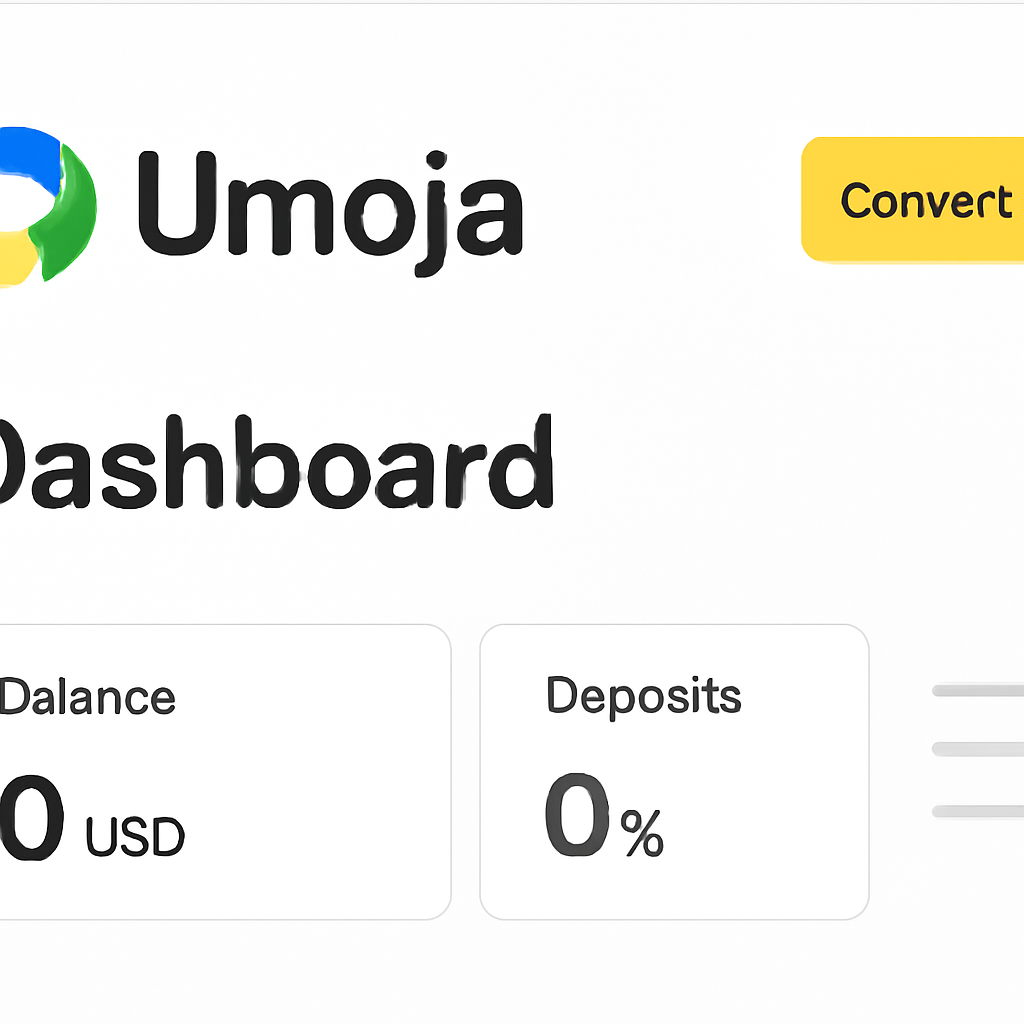
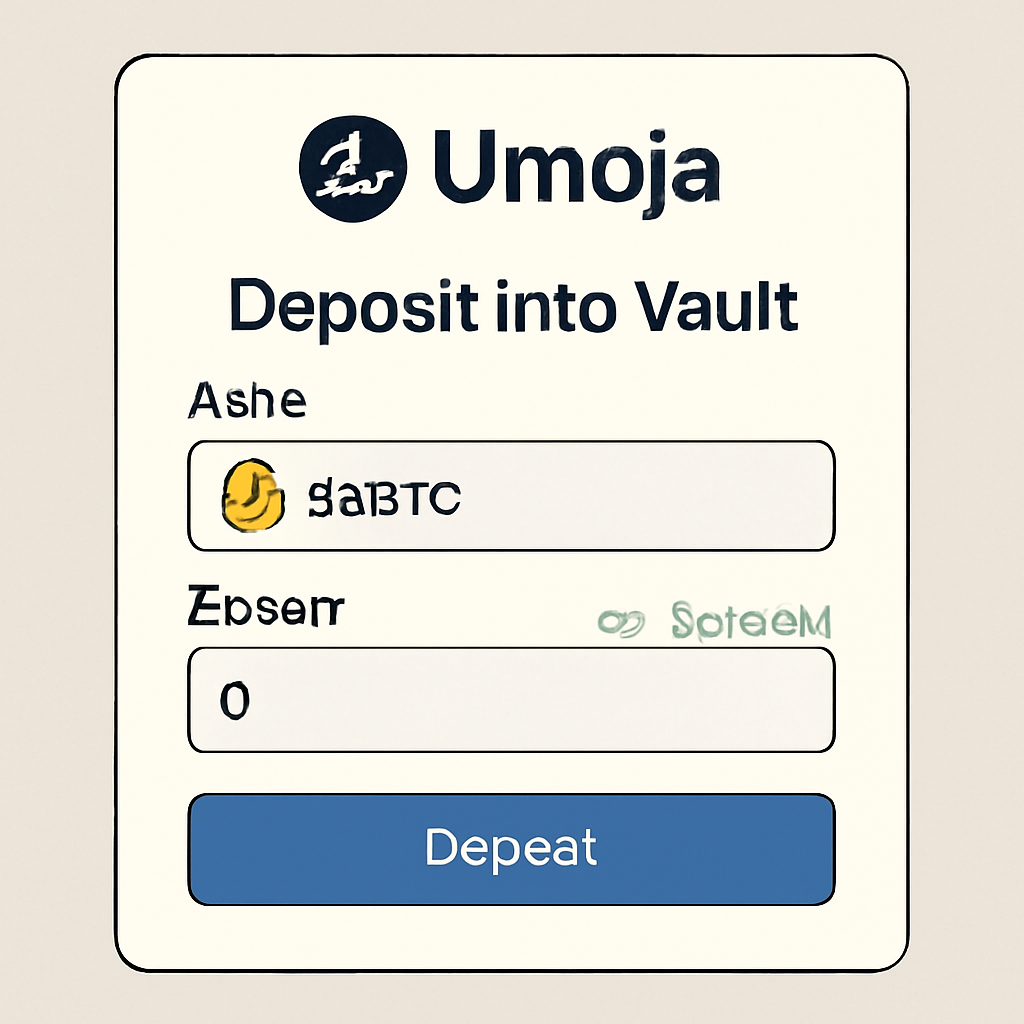
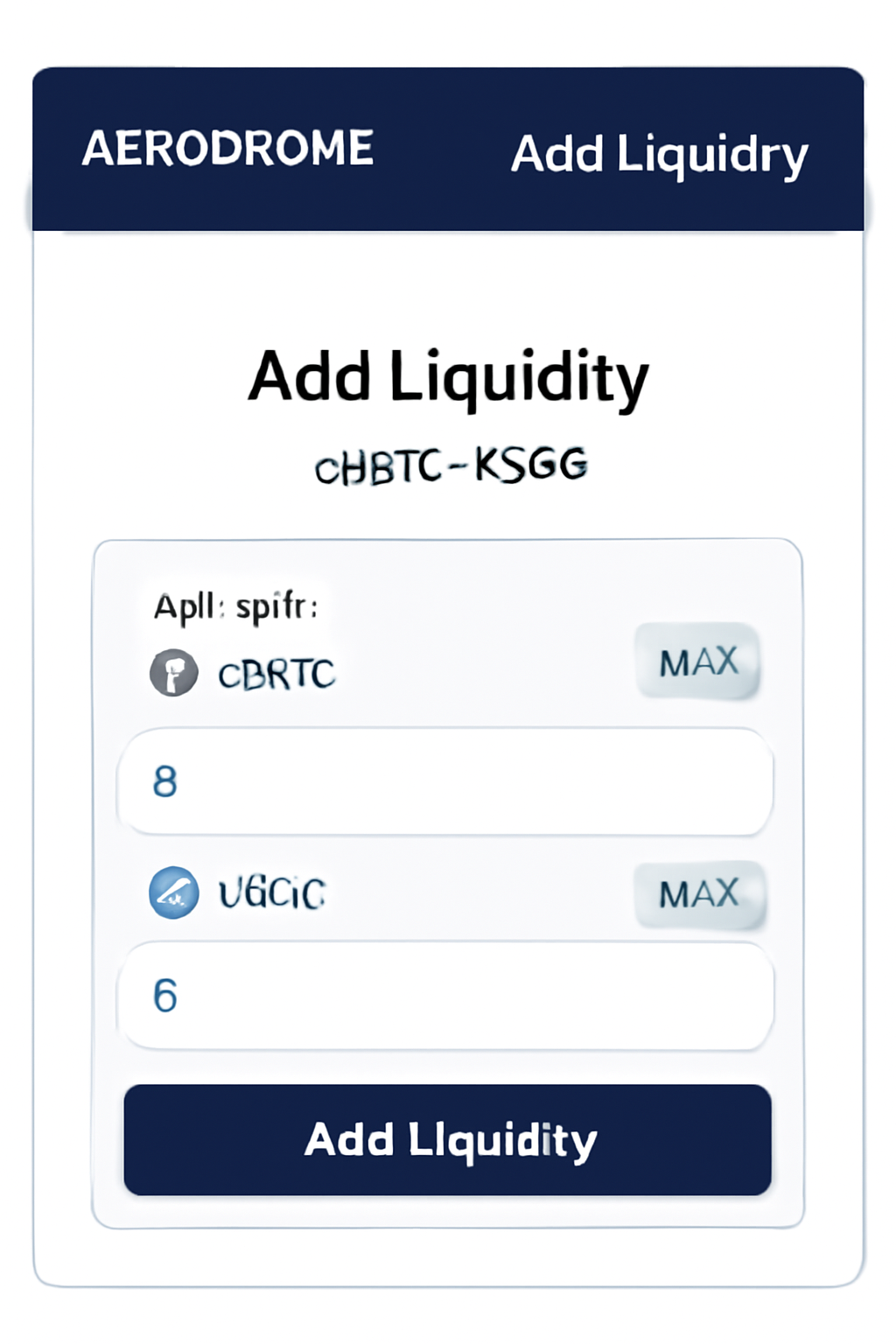
Post-deployment, monitor via dashboards like DeFiLlama or protocol-native tools. Withdrawals reverse effortlessly to BTC, preserving upside as Bitcoin holds $90,823 amid minor -0.006530% daily flux. This workflow demystifies DeFi, aligning retail discipline with institutional-grade tools.
Opinionated take: Aerodrome's 743% cbBTC-USDC APY tempts, but I advocate starting with Umoja's 6% floor. High yields evaporate with incentive cliffs; data shows 50% APY decay in three months for similar pools. Prioritize audited contracts - Umoja's track record edges peers.
cbBTC Yield Opportunities on Base
| Protocol | APY | Risk Level | Impermanent Loss Potential |
|---|---|---|---|
| Umoja | 6% | Low 🟢 | Low 🟢 |
| Aerodrome cbBTC-WETH | 348% | High 🔴 | High 🔴 |
| Aerodrome cbBTC-USDC | 743% | High 🔴 | Medium 🟡 |
| Uniswap 0.05% | 4.4% | Low 🟢 | Low 🟢 |
| Uniswap 0.3% | 29% | Medium 🟡 | Medium 🟡 |
2025 Outlook: Scaling Retail Adoption
Projections for 2025 hinge on Base's throughput and cbBTC supply expansion. With 46,000 and tokens circulating at 25.1% dominance, integrations like lending on Moonwell or staking vaults could push blended yields to 10-20% risk-adjusted. Bitcoin's $90,823 base, resilient post-$92,909 peak, forecasts institutional cbBTC inflows, compressing retail entry costs.
Risk calibration evolves: layer-2 sequencer uptime nears 100%, slashing outage alpha. Yet, oracle dependencies in lending persist; a BTC flash crash to $90,270 tests liquidations. My strategy: ladder entries weekly, cap exposure at 20% portfolio, harvest fees monthly. See Base's role in retail DeFi barriers.
Community sentiment echoes this measured optimism. Analysts highlight cbBTC's custody edge over competitors like wBTC, fostering trust for retail scale-up.
cbBTC on Base crystallizes DeFi's retail pivot: Bitcoin at $90,823 fuels protocols blending yield with native exposure. Methodical deployment across Umoja, Aerodrome, and Uniswap equips investors to harvest volatility's profits, disciplined against its pitfalls. As supply swells and Base matures, this ecosystem cements accessible prosperity.




No comments yet. Be the first to share your thoughts!