

In 2025, chain abstraction has emerged as a transformative force in decentralized finance (DeFi), making cross-chain trading not only possible but genuinely effortless for everyday users. Instead of navigating a confusing landscape of incompatible blockchains, fragmented liquidity, and wallet headaches, retail investors now experience DeFi through unified interfaces that abstract away complexity. This shift is especially significant for platforms built on the Base blockchain, where user-friendly design and robust security are paramount.
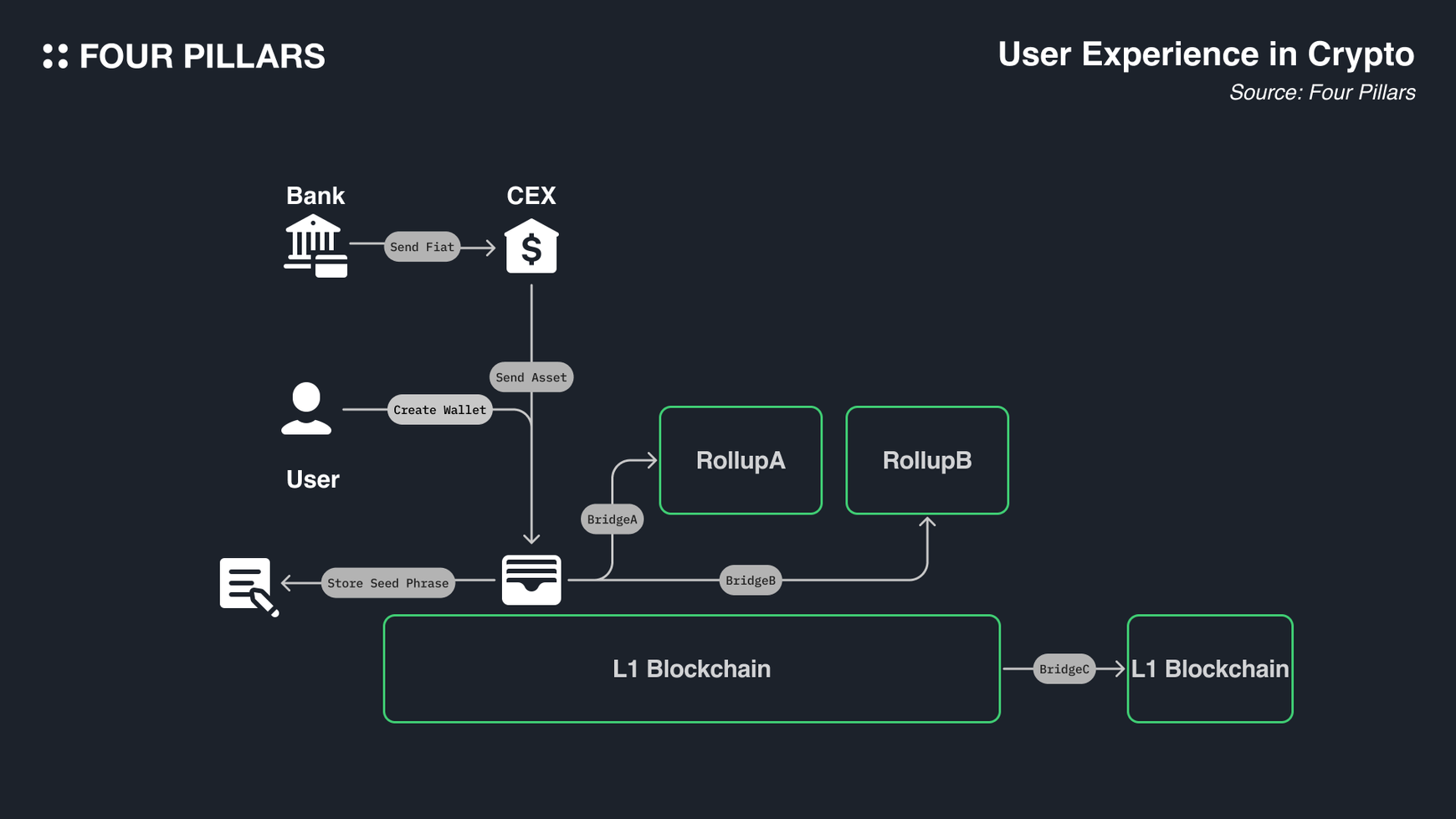
The End of Blockchain Fragmentation
Previously, participating in cross-chain DeFi meant juggling several wallets, understanding each network’s quirks, and manually bridging assets, an intimidating process even for seasoned crypto users. Chain abstraction changes this paradigm by providing a seamless layer that connects disparate blockchains behind the scenes. Platforms like Demex have adopted this model to support assets from Ethereum, Binance Smart Chain, Arbitrum, and Axelar within one application. Users can now trade tokens across these networks using their preferred wallets without worrying about technical hurdles or asset compatibility.
This innovation is not just about convenience, it’s about unlocking new opportunities. By enabling traders to access liquidity pools and yield strategies across blockchains without friction, chain abstraction empowers retail users to maximize returns without the traditional barriers.
Gasless Transactions: The New Standard
One of the most impactful advancements enabled by chain abstraction is gasless DeFi transactions. Historically, every action on a blockchain incurred a fee, often payable only in that chain’s native token (like ETH on Ethereum). In 2025, gasless transactions have become mainstream through meta-transaction technology and account abstraction. This means users can interact with DeFi protocols without holding or spending native tokens for gas fees, removing yet another layer of complexity from cross-chain trading.
NERO Chain and similar projects have demonstrated how gasless experiences can drive adoption by making decentralized applications accessible to everyone, not just crypto veterans who understand the nuances of each network. For more on how this works in practice, see this guide to one-click cross-chain swaps.
Unified Wallets and Enhanced User Experience
The rise of smart wallets powered by account abstraction has further smoothed the path for retail-friendly DeFi solutions. These wallets allow users to manage assets across multiple chains from a single interface, no more switching apps or keeping track of different seed phrases. With unified transaction histories and simplified onboarding processes, even newcomers can participate in advanced DeFi strategies with confidence.
This evolution is particularly relevant as major cryptocurrencies like Ethereum ($2,764.13) and Bitcoin ($84,688.00) continue to trade at high values in late 2025. The ability to move between chains efficiently ensures users are well-positioned to capitalize on market opportunities wherever they arise.
The Impact on Interoperability and Liquidity
Chain abstraction doesn’t just benefit individual users, it also enhances the entire DeFi ecosystem by reducing liquidity fragmentation. Protocols such as LayerZero and Cosmos facilitate smooth asset transfers and smart contract interactions between networks under the hood. As a result, liquidity providers can deploy capital where it’s needed most without being constrained by technical silos.
This interconnectedness has led to deeper markets and more competitive pricing for traders everywhere, a critical step toward making DeFi as accessible as traditional finance.
Security and compliance, once considered hurdles for cross-chain DeFi, are now proactively addressed through innovations like Chain Signatures on NEAR Protocol. These solutions allow users to control accounts across multiple blockchains with a single secure login, eliminating the risks associated with asset wrapping or manual bridging. As a result, retail participants can trade confidently, knowing their assets are protected by advanced cryptographic safeguards and transparent compliance frameworks.
Retail Adoption: DeFi for Everyone
The shift toward retail-friendly DeFi solutions is unmistakable. With chain abstraction, onboarding new users is no longer a technical ordeal. Intuitive interfaces guide users through swaps, lending, and yield farming across networks without jargon or complex instructions. For those new to decentralized finance, this means fewer barriers to entry and a gentler learning curve, qualities essential for mainstream adoption.
Platforms on the Base blockchain exemplify this trend by combining robust security with clear educational resources and seamless transaction flows. As retail investors look to maximize their digital assets in a market where Ethereum trades at $2,764.13 and Bitcoin stands at $84,688.00, the ability to act quickly across chains is more valuable than ever.
What’s Next for Cross-Chain Trading?
The future of cross-chain trading will likely bring even tighter integrations between DeFi protocols and traditional financial services. As regulatory clarity improves and user experience continues to evolve, expect more sophisticated products, such as automated portfolio rebalancing across chains or real-time arbitrage bots operating seamlessly between networks, to become available to retail users.
For developers and investors alike, keeping pace with these changes means embracing platforms that prioritize both usability and security. The days of needing deep technical knowledge just to move funds between blockchains are fading fast, replaced by one-click swaps and unified dashboards that put opportunity front-and-center for everyone.
Key Takeaways: Seamless DeFi User Experience in 2025
- Chain abstraction enables effortless trading across multiple blockchains from a single interface.
- Gasless transactions have become the norm, removing friction for everyday users.
- Unified wallets make asset management simple, even for those new to crypto.
- Security innovations, such as Chain Signatures, reduce risk in cross-chain activity.
- The Base blockchain continues to lead in delivering retail-friendly DeFi solutions that empower all users.
This year marks a true inflection point for decentralized finance: as chain abstraction matures and becomes widely adopted, the dream of seamless, secure, and inclusive cross-chain trading is finally being realized. For more practical insights on how these advances benefit everyday crypto users, explore resources like how chain abstraction makes swaps as simple as single-chain transactions.




No comments yet. Be the first to share your thoughts!