

Onboarding to decentralized finance (DeFi) can feel intimidating for retail investors, especially when navigating new blockchain ecosystems. The Base blockchain, developed by Coinbase, is changing that narrative by offering a secure, low-cost, and user-friendly environment tailored for everyday users. Whether you’re stepping into DeFi for the first time or seeking a safer way to explore new protocols, understanding each onboarding step is crucial to protecting your assets and maximizing your opportunities.
Why Base Blockchain Is Ideal for Retail DeFi Onboarding
Base is a Layer 2 solution built on Ethereum and directly integrated with Coinbase. This means you benefit from enhanced security, lower transaction fees, and an intuitive user experience designed with retail participants in mind. With Ethereum currently priced at $4,468.00, high gas fees on mainnet can eat into small investments. Base’s affordable transactions allow you to participate in DeFi without worrying about prohibitive costs.
One of the biggest advantages of Base is how it bridges traditional finance (TradFi) with crypto-native opportunities. Through seamless transfers from your Coinbase account, you can move funds onto Base with minimal friction, no advanced technical skills required. This accessibility is key to empowering new users who want exposure to DeFi but aren’t ready for complex setups.
Step-by-Step Guide: Safe Onboarding from Coinbase to Base
How to Onboard to Base DeFi: A Visual Step-by-Step Guide
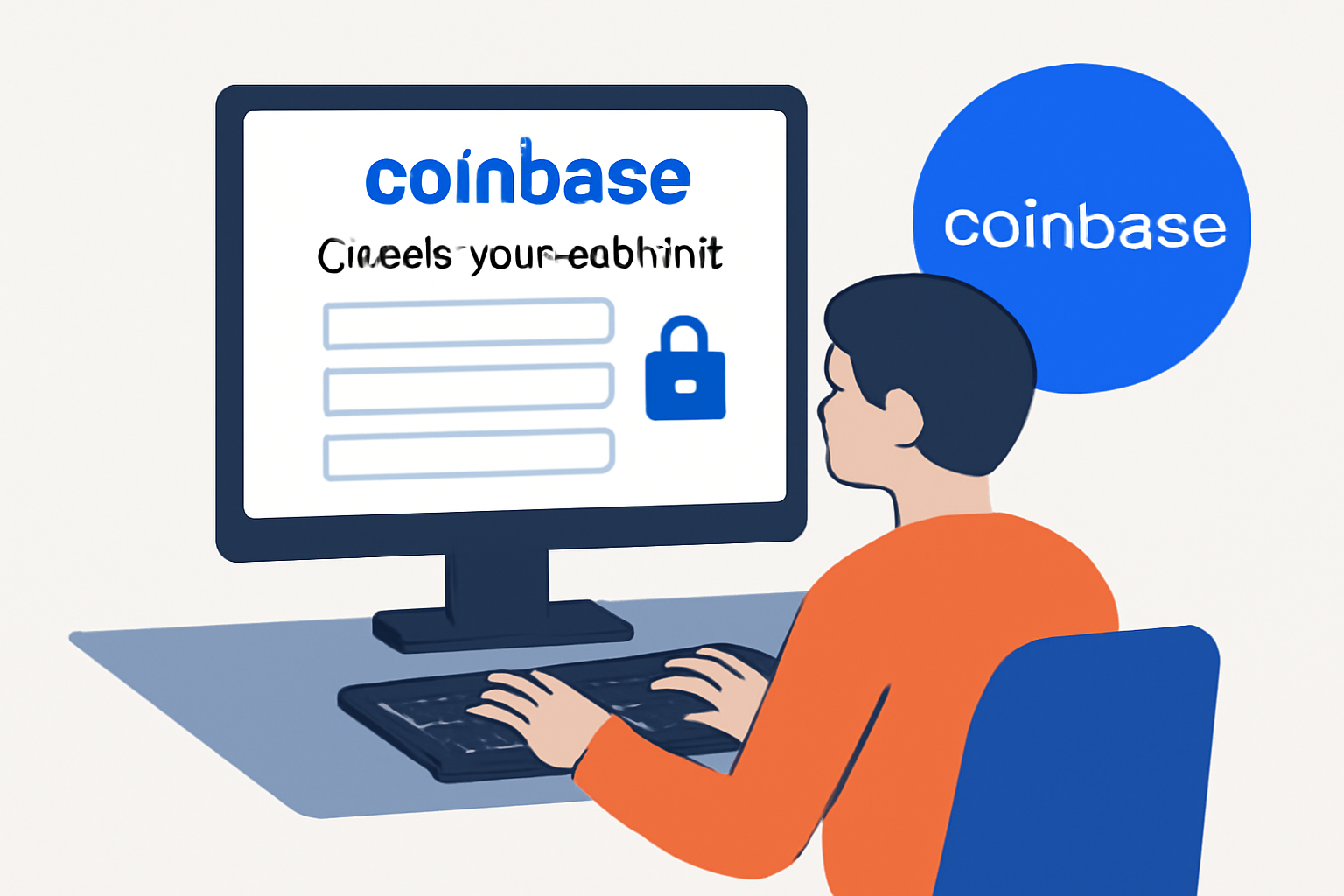
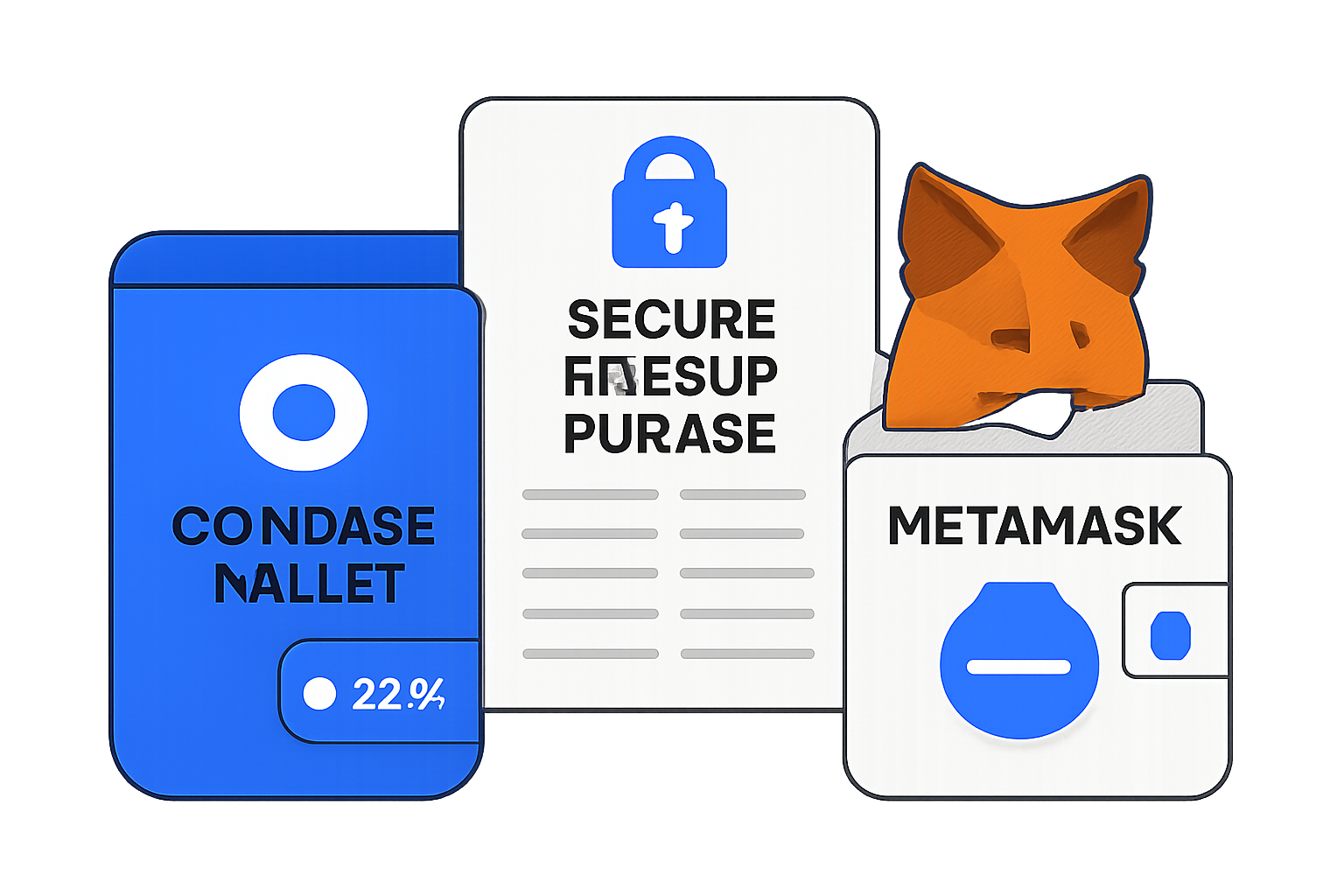
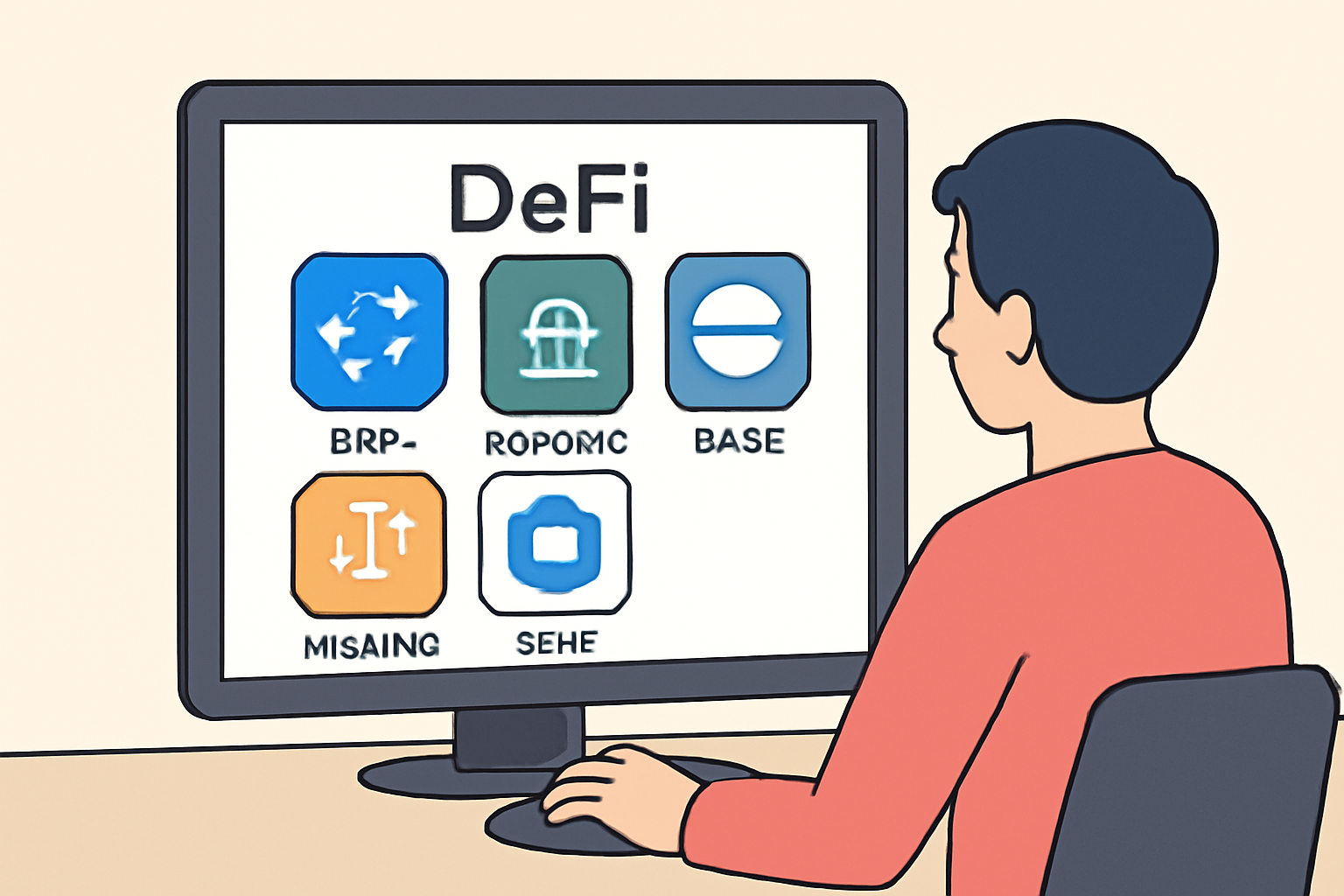
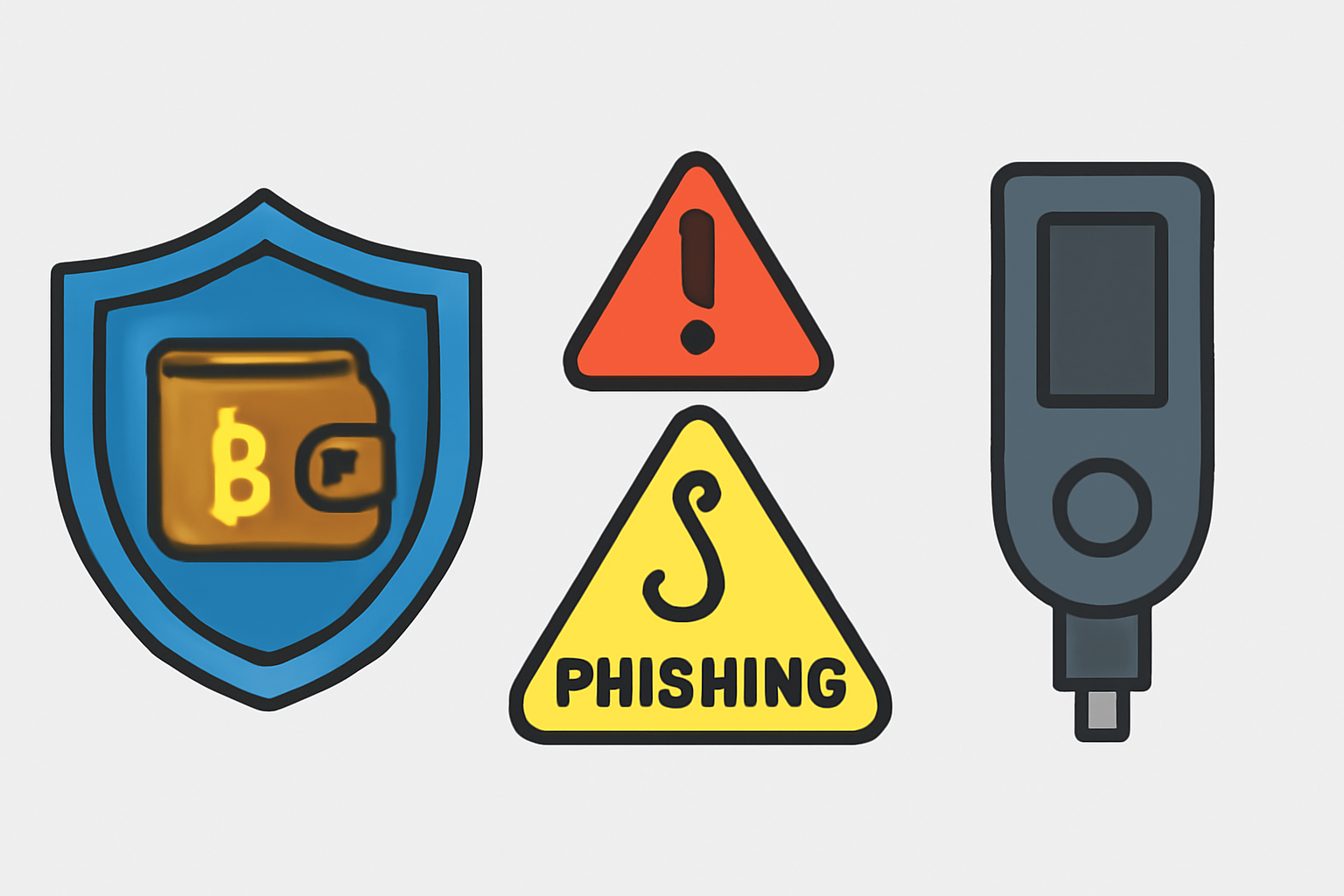
The journey begins by establishing your presence within the Coinbase ecosystem:
- Create Your Coinbase Account: Sign up at Coinbase using secure credentials and enable two-factor authentication for extra protection.
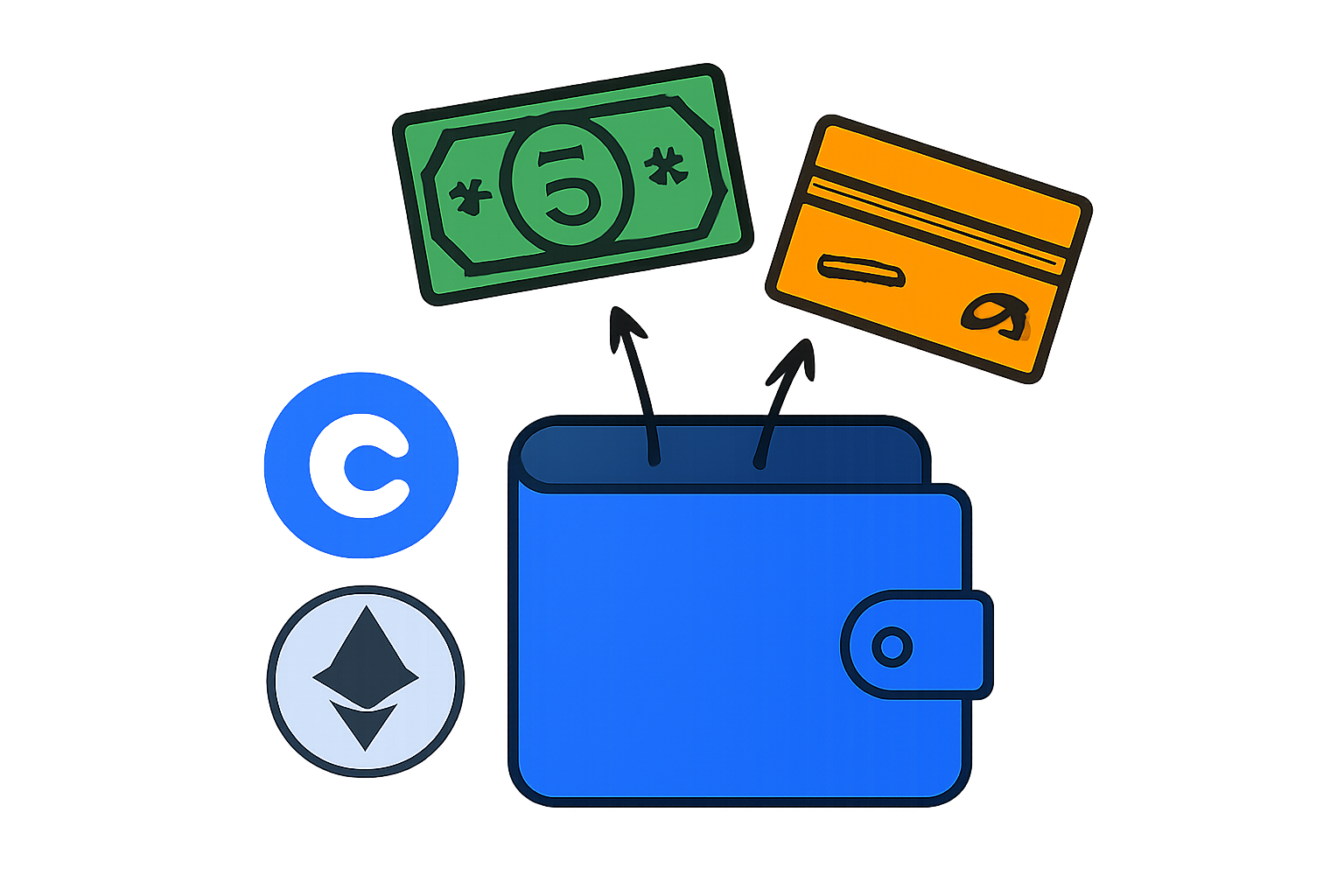
- Fund Your Account: Deposit fiat currency through bank transfer or credit card. These funds will be converted into crypto assets like ETH or USDC.
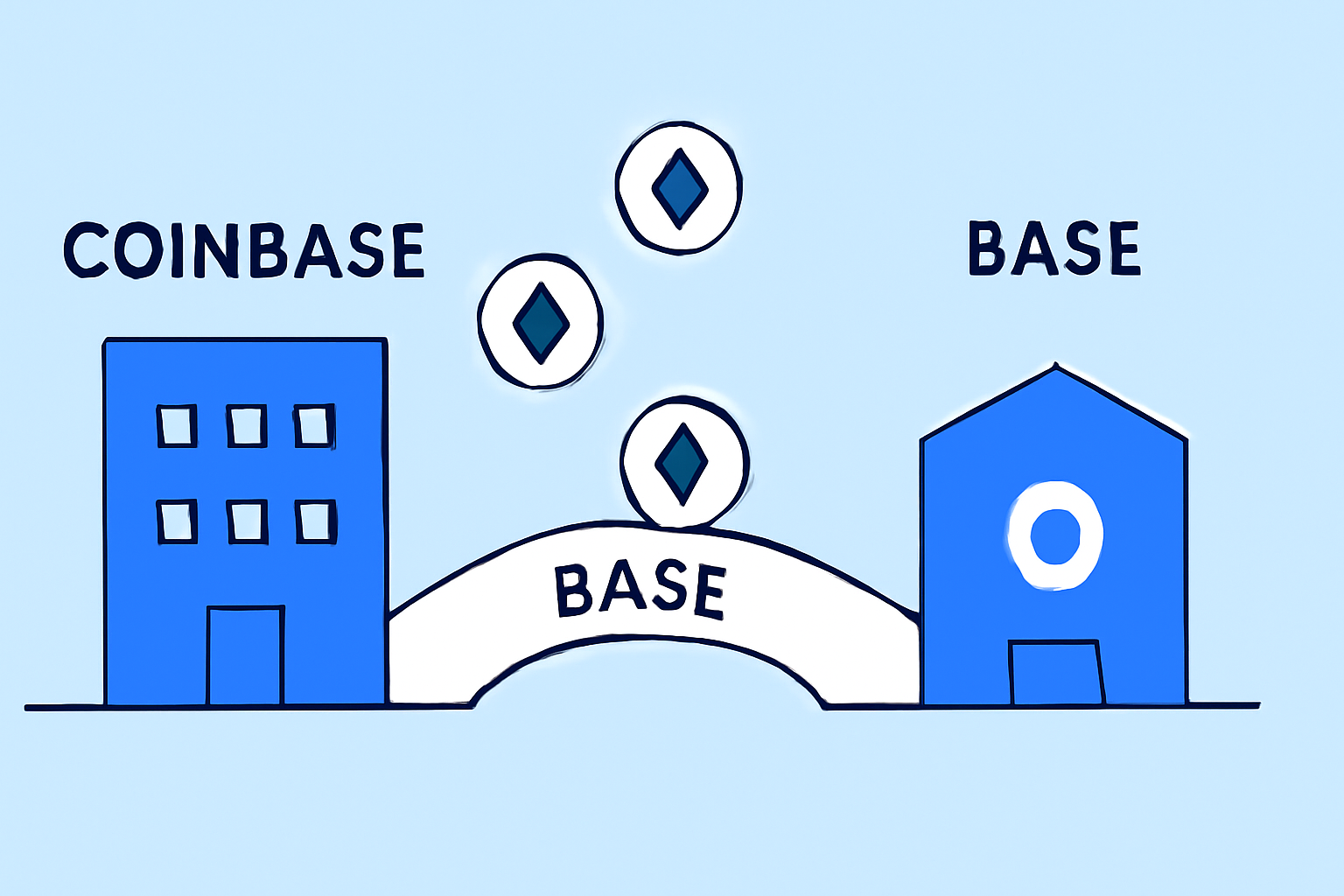
- Transfer Assets to Base: Use the integrated bridge within Coinbase to move your assets directly onto the Base network (see more details at basechainnews.com). This process is streamlined compared to manual bridging between networks.
- Select a Compatible Wallet: While Coinbase Wallet offers seamless integration, MetaMask and other EVM-compatible wallets can also be configured for Base. Ensure you download wallets only from official sources.
User-Friendly Tools and Security Best Practices
The hallmark of Base onboarding lies in its intuitive tools designed specifically for non-technical users. The integration with familiar interfaces reduces learning curves significantly. However, security should always remain top of mind as you enter the DeFi landscape:
- Smart Contract Risks: Only interact with protocols that have undergone thorough audits and public scrutiny.
- Avoid Phishing Scams: Always verify URLs before connecting your wallet or entering sensitive information, bookmark official sites where possible.
- Private Key Management: Never share your private keys or recovery phrases; consider using hardware wallets if investing significant amounts.
If you're looking for more comprehensive guidance on safe DeFi investing practices beyond onboarding, resources like the guide from De. Fi can help deepen your understanding (De.Fi Guide). For now, focus on building strong habits as you get started: double-check every transaction, keep software updated, and stay cautious of unsolicited messages or offers.
Exploring DeFi Opportunities on Base: What’s Next?
Once your assets are securely on the Base network and your wallet is configured, you’re ready to tap into a range of decentralized finance applications. The Base ecosystem supports everything from decentralized exchanges (DEXs) for swapping tokens, to lending protocols and yield farming platforms. Thanks to low transaction fees and Coinbase’s trusted infrastructure, even small investments can be put to work efficiently.
Top 3 Beginner-Friendly DeFi Apps on Base
- BaseSwap: A leading decentralized exchange (DEX) on Base, BaseSwap offers an intuitive interface for swapping tokens, providing liquidity, and earning rewards. Its low fees and user-friendly design make it ideal for newcomers to DeFi.
- Aerodrome Finance: As one of the most popular automated market makers (AMMs) on Base, Aerodrome Finance enables users to trade, provide liquidity, and participate in yield farming—all with a focus on simplicity and security.

- Compound: The trusted lending protocol Compound has expanded to Base, allowing users to safely lend and borrow crypto assets. Its transparent smart contracts and established reputation make it a great starting point for retail investors.
Before diving in, take time to research each platform’s reputation and audit status. Look for transparent documentation and active communities, these are often signs of a healthy DeFi project. Many retail investors start by providing liquidity on a DEX or exploring stablecoin savings products as an introduction to earning passive income in crypto.
Monitoring Your Portfolio and Staying Informed
Keeping track of your assets is vital. Tools like Cielo offer real-time wallet tracking on Base, helping you monitor balances, yields, and transaction history with ease. Staying informed about project updates or potential security alerts ensures you’re always in control of your DeFi journey.
Tip: With Ethereum trading at $4,468.00, it’s smart to periodically review both your portfolio value and the associated network fees when using different protocols. While Base is designed for affordability, always confirm fee estimates before confirming transactions, especially during periods of high activity.
Checklist: Safe Practices for Retail DeFi Users
If you’re ever unsure about a transaction or platform, don’t rush, pause and seek advice from community channels or educational resources. The retail-friendly ethos behind Base means support is never far away, whether through official help desks or peer-to-peer forums.
“Knowledge is the best hedge. ”
Ongoing Education: Empowering Your DeFi Experience
The world of decentralized finance is dynamic, new opportunities and risks emerge regularly. Make it a habit to follow updates from reputable sources and participate in community discussions. This continuous learning approach not only helps safeguard your assets but also positions you to make informed decisions as the ecosystem evolves.
If you want deeper insights into building with Base or understanding its developer tools, explore guides like those from QuillAudits or Rapid Innovation for technical perspectives (see Base onboarding innovation coverage). For most retail users though, prioritizing simplicity and security will serve you well as you grow your digital asset portfolio.




No comments yet. Be the first to share your thoughts!